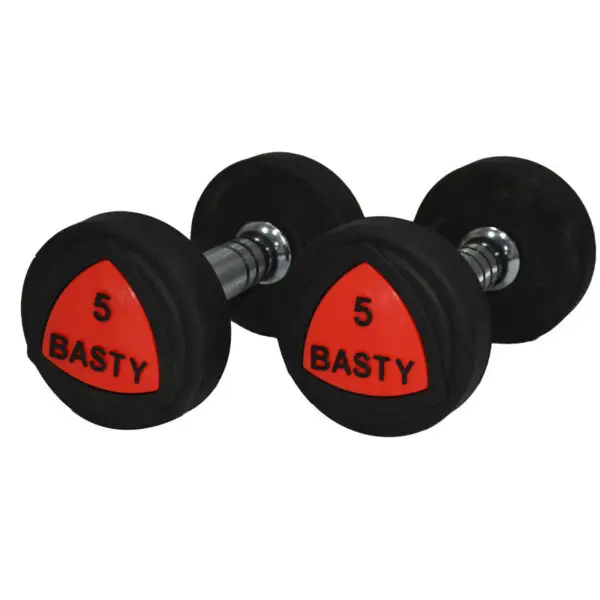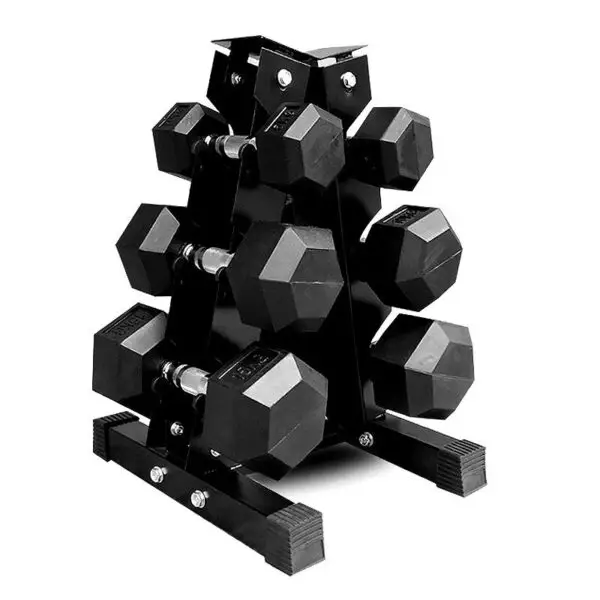
Looking for durable dumbbells?
No one wants dumbbells that rust, warp or even break after a period of use.
Whether you’re upgrading your gym’s equipment or outfitting a fitness studio, it’s crucial that you choose dumbbells that are built to last.
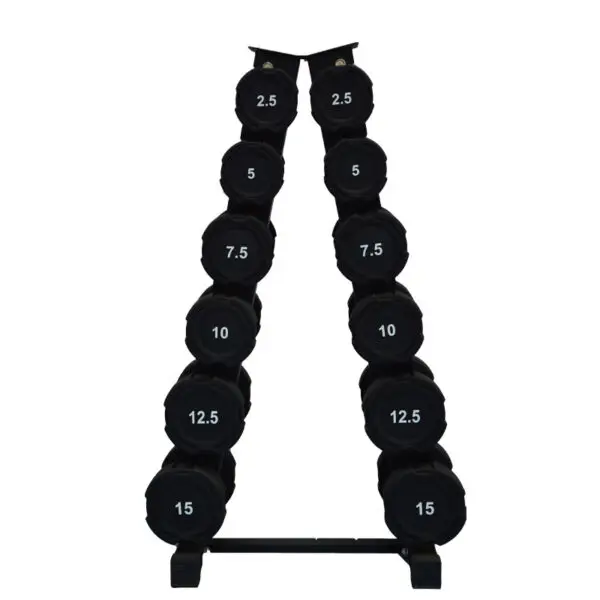
But how can you tell which dumbbells will stand the test of time?
Some dumbbells will stay with your members in the gym for many years, while others may even “go off” after a short period of time.
In this guide, we’ll take a look at the most durable types of dumbbells, including classic cast iron dumbbells, sturdy steel-coated rubber dumbbells, and new eco-friendly materials!
In addition, we’ll share some tips on how to maintain dumbbells to help them stay in good condition even after intense use and provide a reliable boost to your gym.
Let’s begin our journey to discover the durability of dumbbells!
Factors That Affect Dumbbell Durability
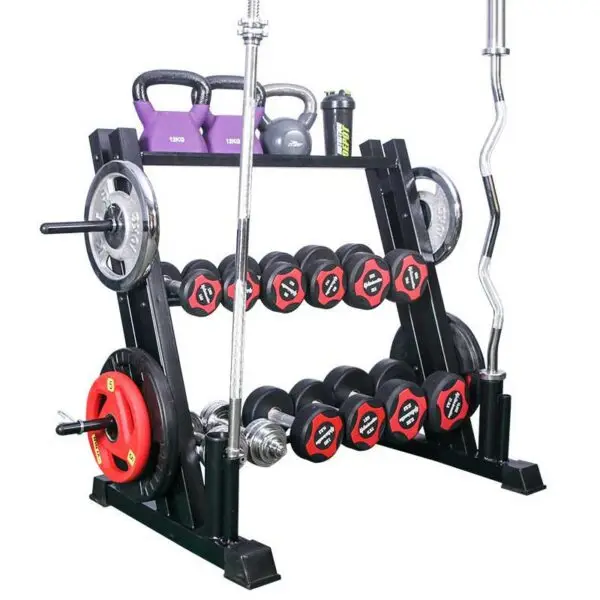
When it comes to choosing dumbbells for your gym or fitness studio, durability should be a top priority. Here are the key factors that influence how long dumbbells will last:
Material Quality
The most important factor in the durability of dumbbells is the material.
Different materials have different advantages and disadvantages
- Cast Iron Dumbbells: durable and affordable. They can withstand high intensity use, but may rust if not properly maintained.
- Steel Dumbbells: are stronger and more resistant to wear and tear than cast iron dumbbells. However, these dumbbells are more expensive compared to cast iron dumbbells and may also rust if not properly protected.
- Urethane Coated Dumbbells: urethane coatings provide excellent impact and abrasion protection and are also less likely to damage floors or equipment. However, these dumbbells are more expensive.
- Rubber-coated Dumbbells: Rubber coatings provide good protection and reduce noise. More durable, but may wear out over time with frequent use.
- Eco-friendly Material Dumbbells: Newer dumbbells made from sustainable materials. Durability will vary depending on the specific materials used and the manufacturing process.
Not sure which one to choose?
Think about how much wear and tear it will face.
For frequent use, choose cast iron or steel.
For less noisy use, use a urethane coating or a rubber coating, but it may require more maintenance.
Weight Distribution and Balance
Proper weight distribution at both ends of the dumbbell is critical to both its performance and durability. If the weight is not evenly distributed, it can lead to uneven wear and tear on the dumbbells, increasing the risk of damage during use. This can also affect the way the user works out and may even lead to injury
Design and Construction
Handle design: The handle should be comfortable to hold and have a non-slip surface. The handle should also be strong enough to support the weight of the dumbbell and withstand repeated use. Some high-end dumbbells feature ergonomic handles to increase user comfort and durability.
Attachment of the dumbbell to the handle: The way the dumbbell is attached to the handle can affect durability. High-quality dumbbells usually use a strong, secure connection to ensure that the dumbbells are held firmly in place during exercise. This prevents the dumbbell from moving or loosening, which can damage the dumbbell or cause accidents.
Maintenance and Storage
Even the most durable dumbbells need maintenance to last, and a little effort goes a long way.
- Cleaning: Regular cleaning helps to remove sweat, dirt and other debris that can accumulate on dumbbells and cause corrosion or damage to the surface coating. Wipe the dumbbell with a damp cloth after being used and deep clean regularly.
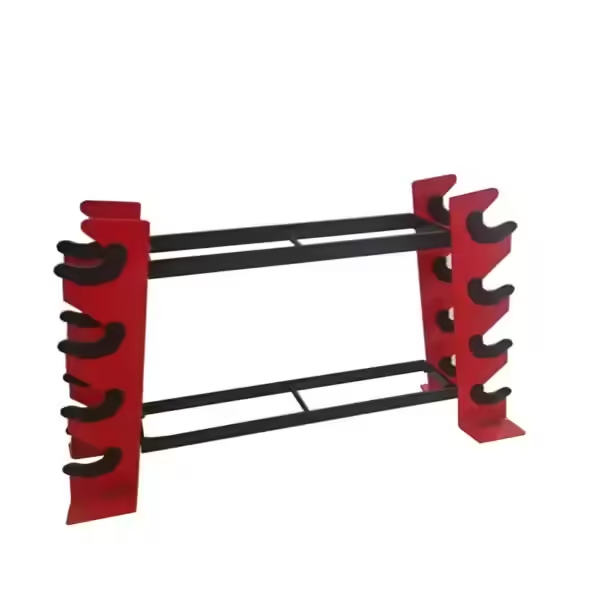
- Storage Conditions: Store dumbbells in a dry, well-ventilated area to prevent rust and moisture damage. Avoid stacking dumbbells haphazardly as this may cause scratches or dents. Using proper storage racks will help keep dumbbells neatly organized and protected.
- Inspection and Maintenance: Regularly inspect dumbbells for signs of wear and tear, such as cracked coatings, loose dumbbells or damaged handles. Tighten any loose parts and replace damaged parts promptly to extend the life of your dumbbells.
A little maintenance now can save you from buying new dumbbells later.
Environmental Factors
Believe it or not, where you place your dumbbells affects the durability of your dumbbells.
- Humidity: In high – humidity environments, metal dumbbells are more susceptible to rust. Consider using dumbbells with rust – resistant coatings or taking extra precautions to keep them dry.
- Temperature: Extreme temperature fluctuations can affect the materials of dumbbells. For example, rubber – coated dumbbells may become brittle in very cold conditions, while some coatings may soften or degrade in excessive heat.
- Chemical Exposure: Exposure to certain chemicals, such as cleaning agents or body care products, can potentially damage the surface of dumbbells. Use appropriate cleaning products and avoid exposing dumbbells to harmful chemicals unnecessarily.
By considering these factors and making informed choices when selecting and caring for dumbbells, you can ensure they remain durable and functional for a longer period, providing reliable support for your workouts and fitness programs.
Comparing Dumbbell Types by Durability
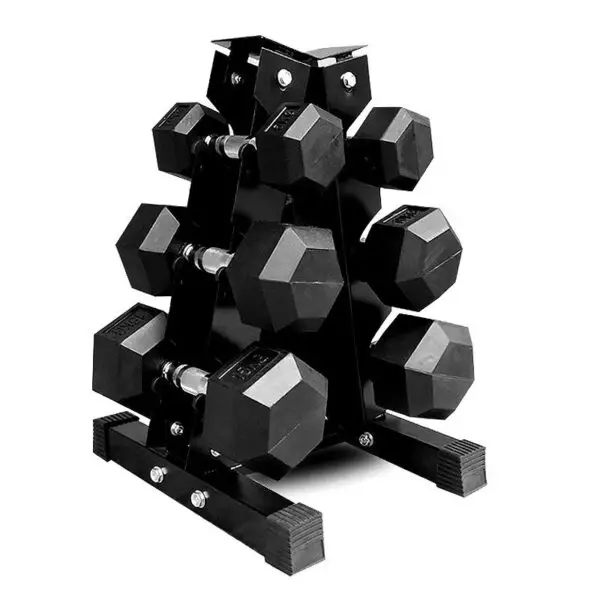
Not all dumbbells are made to last.
Some types hold up well over time, while others may show signs of wear after just a few years.
Let’s break down the most common dumbbell types and see how they compare when it comes to durability.
Cast Iron Dumbbells: Classic and Resilient
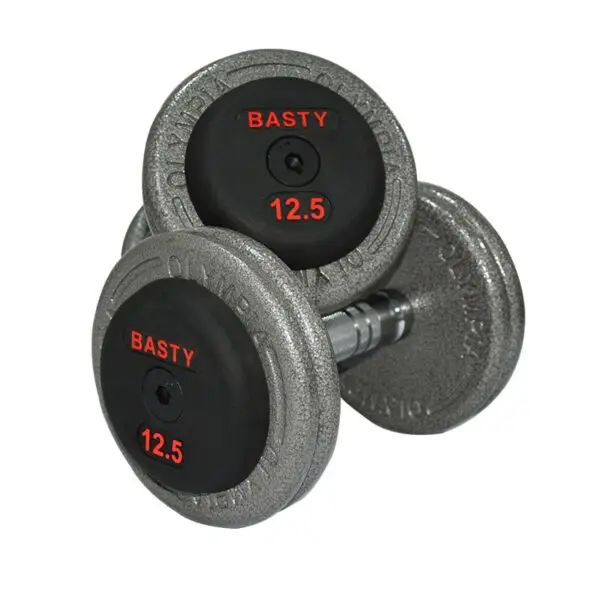
Cast iron dumbbells are a classic choice for many fitness enthusiasts and gyms. They are known for their durability and cost – effectiveness.
Durability: 10 – 15+ years with proper care.
Strengths:
- Affordable and widely available.
- Resistant to chipping and cracking compared to some other materials.
Potential Issues:
- Prone to rust if not properly maintained. Need to be kept dry and coated with protective substances.
- May have a rough surface that can damage floors or equipment.
Best For: Home gyms and fitness studios on a budget.
Maintenance Tips: Store in a dry environment and apply a rust – proof coating periodically. Wipe down after use to prevent sweat buildup.
Steel Dumbbells: Strong and Durable
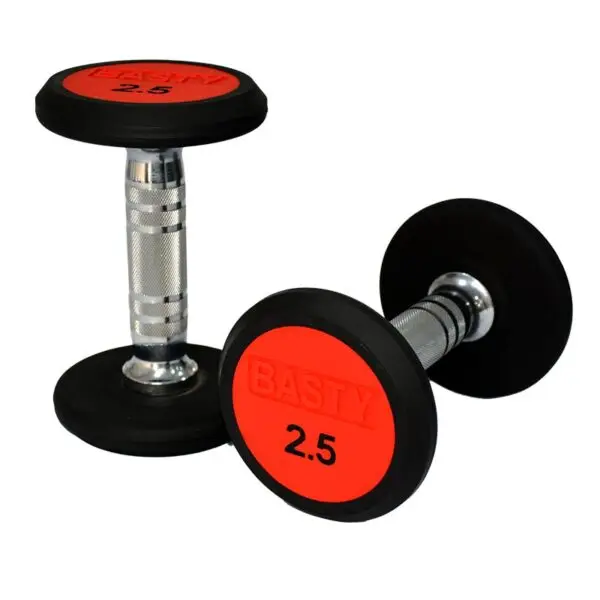
Steel dumbbells are one of the strongest and most durable options on the market. They can withstand intense use and are common in commercial gyms.
Durability: 15-20+ years if properly maintained.
Advantages:
- High-strength material, can withstand large weight.
- Smooth surface, resistant to wear and tear.
- Multiple weight options available.
Potential Problems:
- More expensive than cast iron dumbbells.
- Also prone to rust if not properly maintained.
Best for: High-intensity training environments such as commercial gyms and specialized home training facilities.
CARE TIP: Use a damp cloth to keep the dumbbells dry and clean after each use. It is recommended to use a dumbbell rack with a protective pad to avoid scratches.
Urethane – Coated Dumbbells: Premium Protection
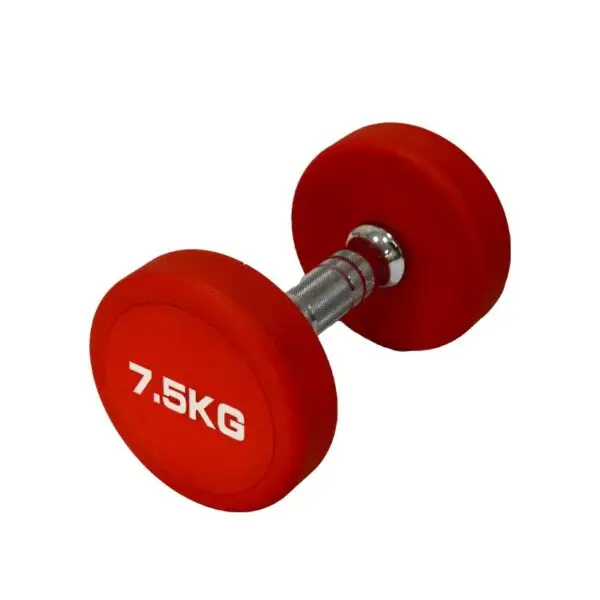
Polyurethane coated dumbbells are wrapped in a protective coating that enhances durability and protects the dumbbell and its surroundings.
Durability: 10 – 15 years, depending on usage intensity.
Strengths:
- Polyurethane coatings provide excellent resistance to impact and frictional wear.
- Polyurethane coatings provide excellent resistance to impact and frictional wear.
- The surface is smooth and can effectively reduce noise.
Potential Issues:
- The coating may wear off under higher frequency use.
- Comparatively high prices
Best For: Environments where equipment protection and user experience are priorities, such as high – end gyms and studios.
Maintenance Tips: Wipe down with a damp cloth after use. Avoid using harsh chemicals that could damage the coating.
Rubber – Coated Dumbbells: Versatile and Floor – Friendly
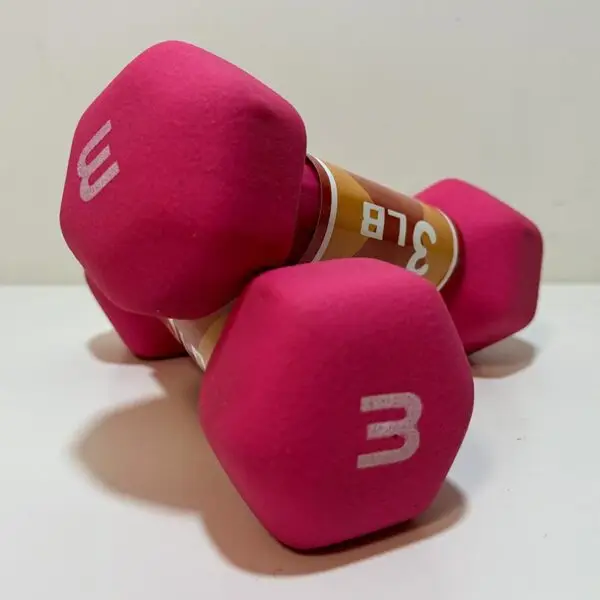
Rubber – coated dumbbells are a popular choice for many fitness settings due to their combination of durability and practicality.
Durability: 8 – 12 years with proper care.
Strengths:
- The rubberized coating is highly effective in reducing noise while being resistant to wear and tear and can protect your floor from damage.
- Available in a wide range of colors.
Potential Issues:
- Not as durable as urethane coatings, rubber coatings may also deteriorate gradually after frequent use.
- If the coating is unevenly applied or subjected to severe impact, the coating has the potential to peel off.
Best For: General – purpose fitness environments where floor protection and noise reduction are important.
Maintenance Tips: Regularly clean with a mild detergent. Inspect for any signs of coating degradation and replace if necessary.
Eco – Friendly Material Dumbbells: Sustainable Choice
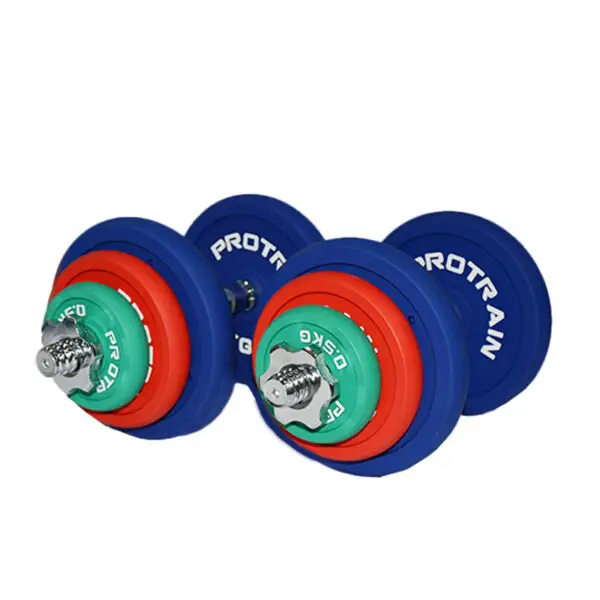
As sustainability becomes more important, eco – friendly material dumbbells are gaining popularity. Their durability can vary depending on the materials and manufacturing processes used.
Durability: 5 – 10 years, varying by material quality.
Strengths:
- Made from sustainable materials, aligning with environmental goals.
- Often designed with innovation, sometimes offering unique features.
Potential Issues:
- The durability may not match traditional materials in some cases.
- Limited availability and may be more expensive.
Best For: Facilities committed to sustainability and eco – friendly practices.
Maintenance Tips: Follow the manufacturer’s guidelines for specific care instructions. Store properly to prolong their lifespan.
Which Dumbbell Lasts the Longest?
Choosing dumbbells that stand the test of time can be tricky.
For your convenience, here’s a quick comparison of the most common types of dumbbell materials, their durability, advantages, disadvantages and ideal uses.
| Material | Pros | Cons | Best For |
|---|---|---|---|
| Cast iron | Cost-effective; good resistance to impact and cracking | Rusts easily; rough surface may scratch floors or equipment | Home gyms and fitness studios on a budget |
| Steel | High strength; able to withstand heavy loads; smooth and abrasion resistant surface | Higher price; also prone to rust | Commercial gyms and professional training environments |
| Polyurethane coated | Polyurethane coating is impact and friction resistant; non-toxic and odorless; smooth surface; noise reduction | Higher price; coating may wear off under heavy use | High-end gyms and places where equipment protection is important |
| Rubber coated | Rubber coating for abrasion resistance; noise reduction; floor protection; variety of colors | Rubber wears off with heavy use; coating may peel off | General fitness environments requiring noise reduction and floor protection |
| Eco-friendly material | Environmentally friendly with sustainable materials; Innovative design | Durability varies widely depending on material and manufacturing process; limited availability and high cost | Fitness facilities that emphasize environmental sustainability |
Expert Tips for Maximizing Dumbbell Lifespan
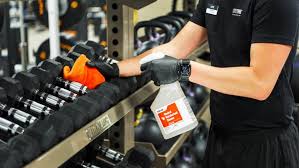
Regular Cleaning: After each use, wipe the dumbbells to remove sweat, dirt and debris. For cast iron and steel dumbbells, wipe with a slightly damp cloth to prevent rust. For rubber-coated and urethane-coated dumbbells, use a mild detergent solution to help maintain the integrity of the coating.
Correct storage: Store dumbbells in a dry, well-ventilated place to minimize exposure to moisture. Use special dumbbell racks to keep dumbbells neat and organized to prevent damage due to improper stacking. Avoid placing dumbbells directly on wet floors or surfaces.
Preventing Metal Dumbbells From Rusting: For cast iron and steel dumbbells, a rust-resistant coating should be applied regularly, especially when used in humid environments. This can significantly extend their service life and maintain their performance.
Check and Tighten Connections: Periodically check the connections between the dumbbell and the handle, as well as any screws or bolts on the adjustable dumbbell. Tighten the dumbbell as necessary to ensure that it is securely mounted and to prevent it from moving or loosening during use, which could damage the dumbbell or cause an accident.
Place Carefully and Gently: Avoid dropping the dumbbells on hard surfaces as this may cause cracking, chipping or other damage to the dumbbells and coating. After each set, gently return the dumbbells to the rack.
Protecting Coated Dumbbells: For rubber-coated and urethane-coated dumbbells, avoid using harsh chemicals or abrasive materials when cleaning as they may damage the coating. Be careful not to scratch or puncture the coating with sharp objects.
Monitor Warranty: Regularly inspect dumbbells for signs of wear, such as cracked coatings, rusted metal parts or damaged handles. Replace any damaged parts promptly to ensure safety and extend the life of your dumbbells.
Conclusion
Choosing the right dumbbells requires a balance between durability, design and functionality.
Cast iron and steel dumbbells offer the most durability, while urethane-coated and rubber-coated dumbbells are superior in terms of protection and noise reduction.
By evaluating material quality, construction and maintenance aspects, you can extend the life of your dumbbells.
Planning on upgrading your dumbbells at the gym?
Choose dumbbells that meet your training needs, whether you’re focused on high-intensity endurance, user-friendly features or environmental awareness.
The right dumbbells can enhance your workout and improve your gym environment.
FAQ
Which dumbbells are the most durable?
Generally speaking, steel dumbbells are the most durable. They are strong and can withstand intense use. However, cast iron dumbbells are also very durable and more affordable. Polyurethane-coated and rubber-coated dumbbells are equally durable, but their performance depends on the quality of the coating.
How to make dumbbells more durable?
Regular maintenance is the key to improving the durability of dumbbells. Clean dumbbells after each use to remove sweat and dirt. Store them in a dry and ventilated place. For metal dumbbells, apply an anti-rust coating. Avoid dropping them on hard surfaces and check them regularly for wear and tear.
How can I protect the coating of coated dumbbells?
When cleaning coated dumbbells, avoid using harsh chemicals or abrasive materials as they can damage the coating. Be careful not to scratch or puncture the coating with sharp objects. If you notice any minor damage to the coating, repair it immediately to prevent further damage.