Welcome to My Blog!
Before we dive into the content, I’d love for you to join me on my social media platforms where I share more insights, engage with the community, and post updates. Here’s how you can connect with me:
Facebook:https://www.facebook.com/profile.php?id=61571664151553
Now, let’s get started on our journey together. I hope you find the content here insightful, engaging, and valuable.
Table of Contents
Introduction
Selecting the right rack for dumbbell use is a critical decision for anyone looking to optimize their home gym or fitness facility. A well-chosen rack not only keeps your dumbbells organized but also enhances safety, saves space, and improves the overall workout experience. With the growing popularity of strength training, the demand for efficient storage solutions has surged, making it essential to understand the factors that contribute to choosing the best rack for dumbbell use. This guide will walk you through the key considerations, features, and options to ensure you make an informed decision that aligns with your fitness goals.
Whether you’re a beginner setting up a small home gym or a seasoned lifter managing a commercial space, the right rack for dumbbell storage can make a significant difference. From compact vertical racks to sturdy horizontal designs, the market offers a variety of options to suit different needs. This blog will cover everything you need to know, including types, materials, weight capacity, and more, to help you find the perfect solution for your dumbbell collection.
Why You Need a Rack for Dumbbell Organization
A rack for dumbbell storage is more than just a piece of gym equipment—it’s a tool that enhances efficiency and safety. Without proper storage, dumbbells can clutter your workout space, leading to potential tripping hazards or damage to your equipment. A dedicated rack keeps your weights neatly arranged, making it easier to access the right pair during your workout. Additionally, a good rack protects your dumbbells from wear and tear, prolonging their lifespan.
Investing in a rack for dumbbell use also helps maintain a tidy and professional-looking gym environment. For home gyms, this means maximizing limited space, while for commercial gyms, it creates an inviting atmosphere for clients. By keeping your weights organized, you can focus on your training without the distraction of a disorganized space.
Benefits of Using a Rack for Dumbbell Storage
The benefits of a rack for dumbbell use extend beyond simple organization. Here are some key advantages:
- Safety: A rack prevents dumbbells from rolling or falling, reducing the risk of injury.
- Space Efficiency: Racks are designed to maximize space, whether through vertical or tiered designs.
- Equipment Protection: Proper storage prevents damage to dumbbells, such as chipping or rusting.
- Workout Efficiency: Quick access to weights streamlines your training sessions.
- Aesthetic Appeal: A well-organized gym looks more professional and inviting.
Types of Racks for Dumbbell Storage
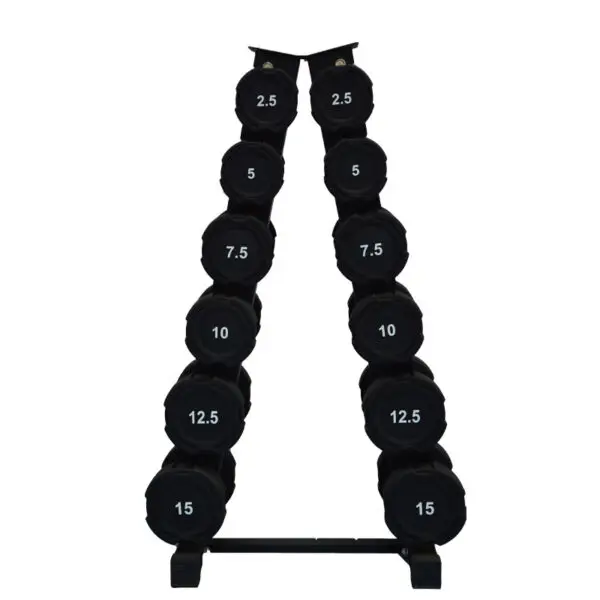
When choosing a rack for dumbbell use, understanding the different types available is crucial. Each type has unique features that cater to specific needs, spaces, and dumbbell collections. Below are the most common types of racks you’ll encounter.
Vertical Racks for Dumbbell Storage
Vertical racks are ideal for small spaces, as they take up minimal floor space by stacking dumbbells vertically. These racks are best suited for lighter dumbbell sets, typically ranging from 2.5 to 25 pounds. They’re a popular choice for home gyms where space is limited, offering a compact and efficient storage solution.
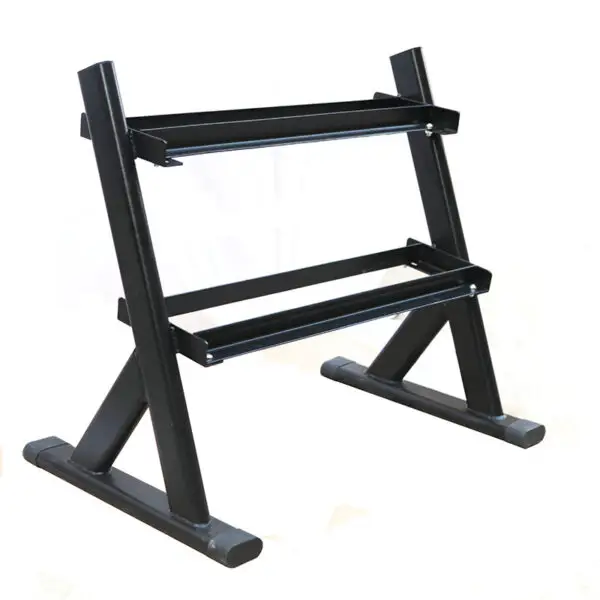
Horizontal Racks for Dumbbell Use
Horizontal racks, often referred to as tiered racks, feature multiple shelves to accommodate a larger range of dumbbell weights. These racks are more common in commercial gyms or larger home setups, as they can hold heavier weights and larger collections. They come in two-tier or three-tier designs, with the latter offering more storage capacity.
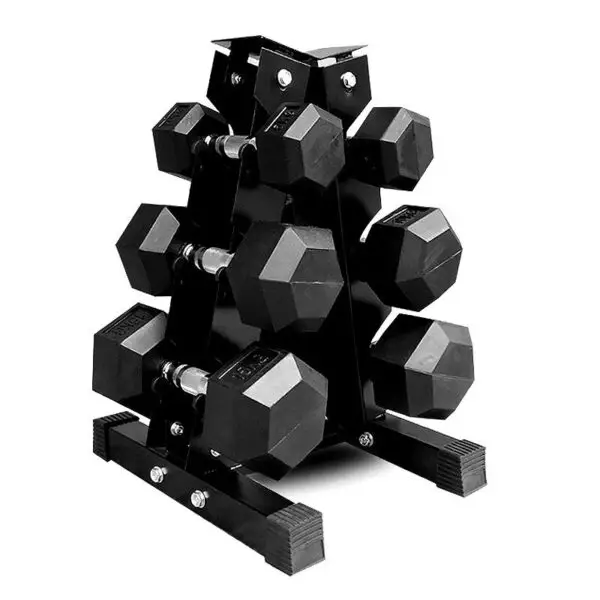
A-Frame Racks for Dumbbell Organization
A-frame racks combine the benefits of vertical and horizontal designs, offering a triangular shape that saves space while providing ample storage. These racks are versatile and can fit in various gym setups, making them a popular choice for those seeking a balance between compactness and capacity.
Wall-Mounted Racks for Dumbbell Storage
Wall-mounted racks are a unique option for those with limited floor space. These racks attach to the wall, keeping dumbbells off the floor and creating a clean, open workout area. They’re best for smaller dumbbell sets and are often used in compact home gyms or apartments.
Key Features to Look for in a Rack for Dumbbell Use
When selecting a rack for dumbbell storage, certain features can make or break its suitability for your needs. Here are the critical factors to consider:
Weight Capacity and Durability
The weight capacity of a rack is one of the most important considerations. Ensure the rack can support the total weight of your dumbbell collection, including any potential additions in the future. Look for racks made from high-quality materials like steel, which offer durability and stability.
Material and Build Quality
The material of the rack affects both its durability and appearance. Steel racks with powder-coated finishes are resistant to rust and scratches, making them ideal for long-term use. Avoid racks made from low-quality materials that may bend or warp under heavy loads.
Size and Space Requirements
Consider the dimensions of the rack in relation to your available space. Measure your gym area to ensure the rack fits comfortably without obstructing your workout space. Compact racks are ideal for small spaces, while larger racks may be better for spacious gyms.
Ease of Assembly and Maintenance
Choose a rack that is easy to assemble and maintain. Some racks come pre-assembled, while others require minimal setup. Look for racks with smooth surfaces that are easy to clean and maintain, especially in high-traffic gym environments.
Comparison of Rack Features for Dumbbell Use
To help you visualize the differences between various rack types, the following table outlines key features of vertical, horizontal, A-frame, and wall-mounted racks. This comparison focuses on their suitability for different gym setups and dumbbell collections.
| Rack Type | Space Efficiency | Weight Capacity | Best For | Pros | Cons |
|---|---|---|---|---|---|
| Vertical | High | Low to Medium | Small home gyms | Compact, affordable | Limited weight capacity |
| Horizontal | Medium | High | Commercial gyms, large home gyms | High capacity, sturdy | Takes up more floor space |
| A-Frame | High | Medium to High | Versatile gym setups | Balanced space and capacity | May be more expensive |
| Wall-Mounted | Very High | Low to Medium | Compact spaces, apartments | Saves floor space, modern design | Limited capacity, requires wall space |
This table provides a quick reference to help you narrow down your options based on your specific needs, such as space constraints or the size of your dumbbell collection.
How to Match a Rack to Your Dumbbell Collection
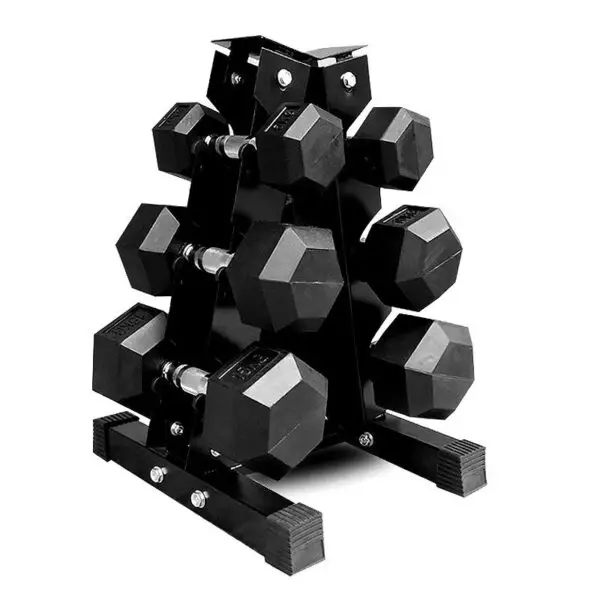
Choosing a rack for dumbbell use requires aligning the rack’s features with your dumbbell collection. Consider the following factors:
Size and Weight of Your Dumbbells
The size and weight of your dumbbells will dictate the type of rack you need. For example, a set of lightweight dumbbells (5-20 pounds) may work well with a vertical or wall-mounted rack, while heavier sets (20-100 pounds) require a horizontal or A-frame rack with higher weight capacity.
Fixed vs. Adjustable Dumbbells
If you use adjustable dumbbells, you may need a rack with wider shelves or customizable spacing to accommodate their unique shapes. Fixed dumbbells, on the other hand, fit well on standard racks with uniform slots.
Future Expansion Plans
Think about whether you plan to expand your dumbbell collection in the future. Choosing a rack with extra capacity or modular design allows you to add more weights without needing a new rack.
Safety Considerations for a Rack for Dumbbell Use
Safety is paramount when selecting a rack for dumbbell storage. A poorly designed or overloaded rack can pose risks to users and equipment. Here are some safety tips to keep in mind:
- Stability: Ensure the rack has a wide, sturdy base to prevent tipping, especially for vertical or A-frame designs.
- Weight Distribution: Place heavier dumbbells on lower shelves to maintain balance and prevent the rack from becoming top-heavy.
- Secure Installation: For wall-mounted racks, ensure proper installation with strong anchors to support the weight of the dumbbells.
- Regular Inspections: Check the rack periodically for signs of wear, such as loose bolts or damaged shelves, to ensure ongoing safety.
Budget Considerations for a Rack for Dumbbell Storage
The cost of a rack for dumbbell use can vary widely depending on its type, material, and features. Here’s a breakdown of what to expect:
- Entry-Level Racks: Basic vertical or small A-frame racks typically cost between $50 and $150. These are suitable for small home gyms with lightweight dumbbells.
- Mid-Range Racks: Horizontal or larger A-frame racks, priced between $150 and $400, offer greater capacity and durability for larger collections.
- Premium Racks: High-end racks, often used in commercial gyms, can cost $400 or more. These feature heavy-duty materials and advanced designs for maximum durability.
When budgeting, consider the long-term value of a durable rack versus the cost of replacing a cheaper, low-quality option. Investing in a high-quality rack can save money and hassle in the long run.
Maintenance and Care for Your Rack forburgo
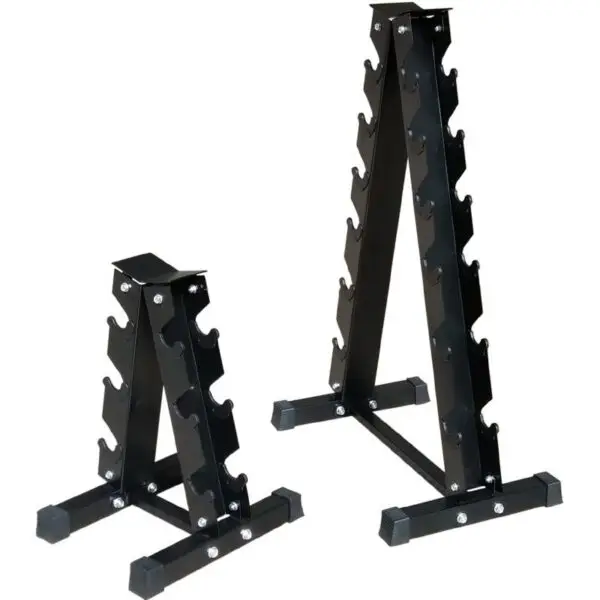
Proper maintenance ensures the longevity of your rack for dumbbell use. Here are some tips to keep it in top condition:
- Clean Regularly: Wipe down the rack to prevent dust buildup, especially in humid environments where rust could develop.
- Check for Damage: Inspect the rack for loose bolts, scratches, or dents that could compromise its stability.
- Avoid Overloading: Stick to the manufacturer’s weight capacity guidelines to prevent structural damage.
- Store Properly: Keep the rack in a dry, well-ventilated area to avoid corrosion or wear.
Conclusion
Choosing the right rack for dumbbell use is a crucial step in creating an efficient, safe, and organized gym space. By considering factors like rack type, weight capacity, material, and space requirements, you can find a solution that perfectly suits your needs. Whether you opt for a compact vertical rack or a sturdy horizontal one, the right choice will enhance your workout experience and protect your equipment for years to come. Ready to upgrade your gym? Contact us today to explore our range of high-quality racks for dumbbell storage and find the perfect fit for your fitness journey.
FAQ
What is the best type of rack for dumbbell storage in a small home gym?
Vertical or wall-mounted racks are ideal for small home gyms due to their space-saving designs. They can accommodate lightweight to medium-weight dumbbells while keeping your workout area clutter-free.
How much weight can a typical rack for dumbbell use hold?
Weight capacity varies by rack type. Vertical racks typically hold 100-300 pounds, while horizontal and A-frame racks can support 500-1000 pounds or more. Always check the manufacturer’s specifications to ensure compatibility with your dumbbells.
Are wall-mounted racks safe for heavy dumbbells?
Wall-mounted racks are generally designed for lighter dumbbells (up to 50 pounds per pair). For heavier weights, horizontal or A-frame racks are safer due to their higher weight capacity and stable bases.