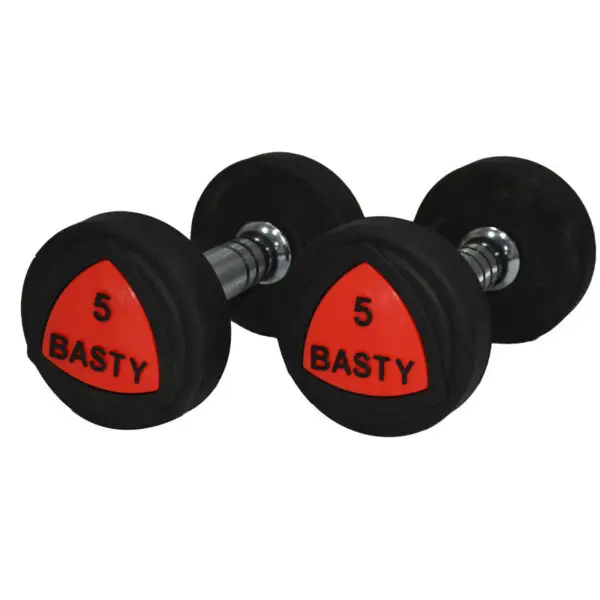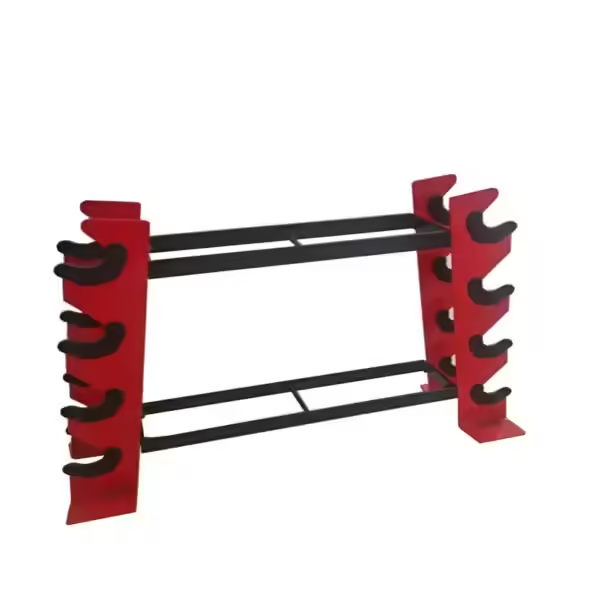
If you’re running a fitness facility or optimizing a home gym, one piece of equipment often overlooked is the gym dumbbell rack. Yet, the right dumbbell rack can dramatically transform your workouts, increase safety, improve gym flow, and even upgrade your space aesthetics.
In this complete guide, you’ll learn why a proper dumbbell rack matters, how to choose the perfect one, real world case studies, organizational strategies, space planning tips, maintenance advice, and ROI insights to help you make the best choice for your fitness goals or business.
Let’s dive in.
Table of Contents
Why a Gym Dumbbell Rack Is More Important Than You Think
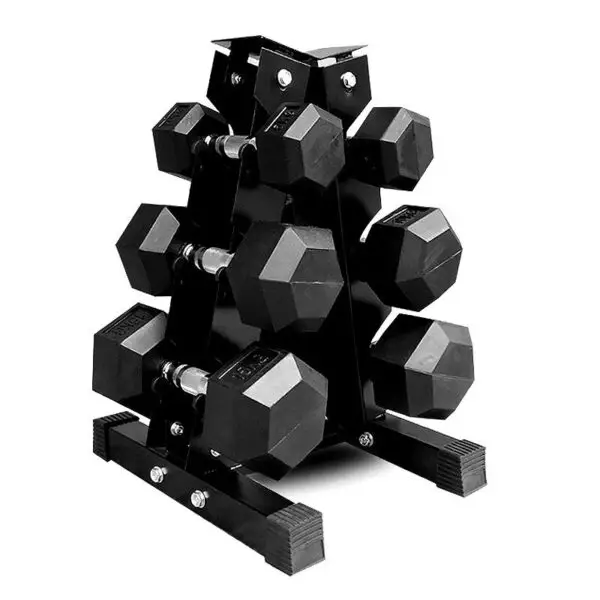
You might assume a dumbbell rack is simply a place to store weights—but it’s so much more.
A well‑designed gym dumbbell rack:
- Keeps heavy free weights organized and easy to access
- Reduces clutter and trip hazards
- Encourages users to return equipment properly
- Improves gym flow and frees up floor space
- Enhances visual appeal and perceived gym quality
According to a study in the Journal of Strength & Conditioning Research, gym environment and equipment organization are directly linked to workout adherence and user satisfaction. If your space feels chaotic, members are likelier to feel frustrated and less engaged with their routines (source: Journal of Strength & Conditioning Research).
For home gyms, a rack can save precious floor space while ensuring your dumbbells are safe and accessible even in a tight corner.
Think of your rack as an investment in safety, functionality, and user experience—not just storage.
Types of Dumbbell Racks and Their Pros & Cons
Choosing the right rack starts with understanding your needs: how many dumbbells you have, how much space you’re working with, and whether aesthetics matter as much as functionality.
Below is a breakdown of common dumbbell rack types:
| Rack Type | Description | Best For | Pros | Cons |
|---|---|---|---|---|
| Single‑Tier Rack | One horizontal layer of dumbbells | Small spaces, home gyms | Space‑saving, budget‑friendly | Limited capacity |
| Two‑Tier Rack | Two levels of storage | Most commercial gyms, home use | Easy access, better organization | Slightly larger footprint |
| Three‑Tier Rack | Three levels of storage | High‑traffic commercial gyms | High capacity, keeps floor clutter low | Takes more vertical space |
| Vertical Dumbbell Tree | Upright “tree” rack | Compact home gyms | Minimal floor space | Harder to organize by weight |
| Adjustable Modular Racks | Reconfigurable sections | Multi‑purpose facilities | Flexible layout, scalable | Can be expensive and complex |
Which Type Should You Pick?
- Home gym with limited space? A Vertical Dumbbell Tree or Single‑Tier Rack is usually ideal.
- Facility with a wide range of weights (5‑100 lbs or more)? A Three‑Tier Rack gives the best balance of accessibility and organization.
- You want future flexibility? Look into Modular Racks that can expand as your collection grows.
Real Case Studies: How Smart Gym Layouts Boost User Experience
Let’s look at how different fitness spaces optimized their dumbbell storage and what you can learn from them.
Case Study A: Urban Boutique Gym
Gym profile: 1,200 sq ft fitness studio in a busy city center
Challenge: Limited floor space but high class turnover
Solution: Installed a 2‑tier dumbbell rack near the strength training zone and integrated mirror backsplashes to increase perceived space.
Results:
- Members reported faster transitions between workouts
- Zero equipment clutter on the floor
- Trainers saved approx. 10 minutes per class on setup and cleanup
Small design upgrades like smart dumbbell storage can directly impact workout flow and client satisfaction.
Case Study B: High‑Usage Commercial Gym
Gym profile: 5,000 sq ft facility serving hundreds daily
Challenge: Frequent member complaints about missing weights and cluttered floors
Solution: Standardized three‑tier commercial dumbbell racks in multiple zones, labeled by weight progression.
Results:
- Member‑reported satisfaction scores improved by 25%
- Weight retrieval time dropped by 40 seconds on average
- Daily staff cleanup time reduced by 20 minutes
Case Study C: Home Gym in a Small Apartment
Gym profile: 150 sq ft home gym in a high‑rise apartment
Challenge: Maximize workout space while storing a range of dumbbells
Solution: A vertical dumbbell tree allowed all dumbbells from 5 to 50 lbs to stay compactly stored.
Outcome: More usable floor space for functional movement exercises like lunges and jump rope.
👉 Lesson learned: The right rack isn’t about style—it’s about user behavior, convenience, and customized solutions for space constraints.
Ergonomic Strategies for Dumbbell Storage
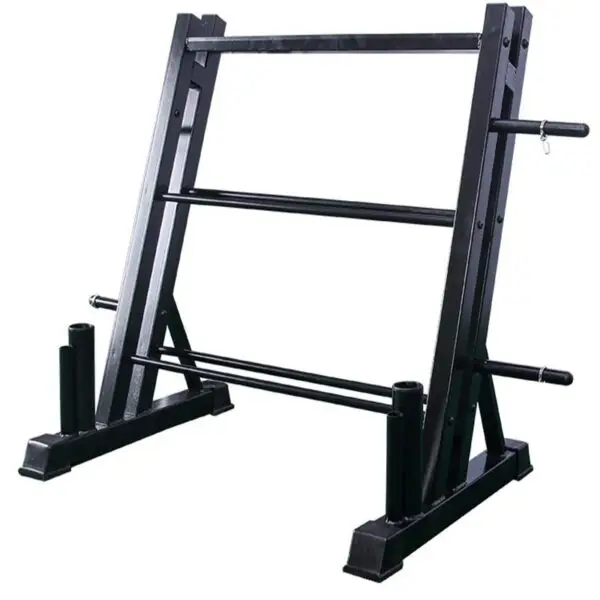
If you’ve ever strained your back reaching for a dumbbell too low or too high, ergonomic storage should be a priority.
Here are some evidence‑based strategies:
Height and Accessibility
- Place most common dumbbell sizes (e.g., 15–35 lb) at mid‑level height where reach is natural.
- Heavy dumbbells (50+ lb) should be on the lowest tier to reduce lifting strain.
- Light weights (under 10 lb) go on the top tier for ease of selection.
Weight Sequence and Visibility
Organize your rack in ascending order so users don’t hunt for sizes. Some gyms add color‑coded labels or numbers for faster selection.
👉 Pro Tip: Use visual signage that indicates weight increments in clear, bold typography.
Traffic Flow Planning
Place dumbbell racks:
- Near strength zones
- Away from high‑traffic walkways
- Within line of sight of trainers or cameras (for safety)
This improves efficiency and encourages proper return of weights.
Space Planning: Small Gyms vs. Large Facilities
Let’s talk about how to plan your rack placement based on square footage and usage levels.
Small Gyms (Under 2,000 sq ft)
| Goal | Recommended Rack Type | Placement Tip |
|---|---|---|
| Maximize floor space | Vertical dumbbell tree | Against a wall near mirrors |
| Moderate weights collection | Single‑tier rack | Corner strength zone |
| Versatility in small area | Modular rack with wheels | Along side wall for flexibility |
Large Gyms (2,000+ sq ft)
| Goal | Recommended Rack Type | Placement Tip |
|---|---|---|
| High traffic usage | Three‑tier heavy duty racks | Multiple zones across facility |
| Beginner friendly layout | Clearly labeled 2‑tier racks | Near free weight training areas |
| Optimized training flow | Combination of rack types | Spread out to reduce congestion |
📌 Note: Always keep at least 3 feet of clearance in front of racks to allow users safe access and room for movement.
Safety and Maintenance Best Practices
Owning a rack is one thing—maintaining it is another. Poor maintenance increases risk.
Weekly Maintenance Checklist
✔ Check screws and bolts for tightness
✔ Inspect for rack stress or bending
✔ Wipe down racks with a mild cleaner
✔ Confirm labels and weight indicators are visible
✔ Sanitize during flu season
Safety Tips Every Gym Must Follow
- Educate members to return dumbbells properly
- Use mats under racks to protect floors and reduce slipping
- Avoid overloading tiers beyond recommended capacity
For best practices on manual handling and equipment safety, refer to the National Institute for Occupational Safety and Health (NIOSH) guidelines on safe lifting:
🔗 NIOSH Lifting Guidelines (external link)
ROI and Business Benefits of Quality Dumbbell Racks
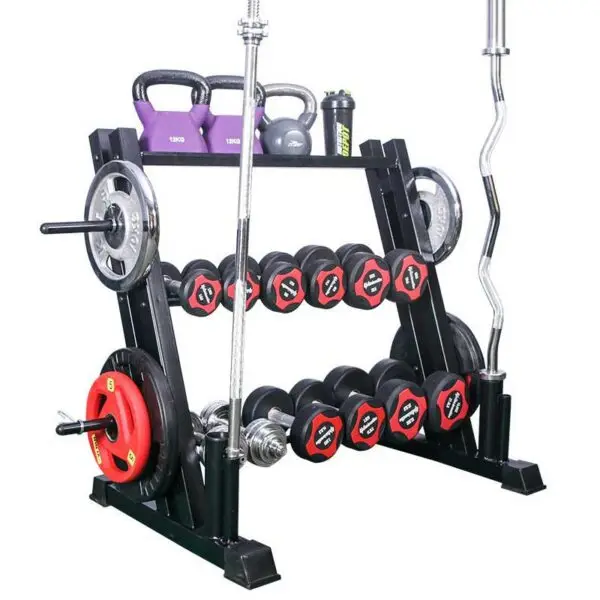
If you run a gym, understanding return on investment (ROI) is essential.
Here’s how a quality rack can pay for itself:
Reduced Staff Time
Organized equipment means less time spent tidying up. Many facilities report 10–20 minutes per day saved per staff member.
Increased Member Retention
Clean, organized spaces improve member satisfaction and loyalty, especially for free weights zones which are high‑use areas.
Higher Perceived Value
Members associate well‑organized free weights areas with higher professionalism—leading to better word‑of‑mouth marketing and referrals.
Less Equipment Damage
When dumbbells are stored safely, wear and tear are reduced, extending the life of your investments.
Dumbbell Rack Cost Breakdown & Data Table
Below is a realistic snapshot of costs you might encounter when planning for dumbbell rack investments.
| Item | Low Price (USD) | High Price (USD) | Notes |
|---|---|---|---|
| Single‑Tier Rack | $80 | $250 | Depends on material and capacity |
| Two‑Tier Rack | $150 | $450 | Most versatile choice |
| Three‑Tier Commercial Rack | $300 | $800+ | Built for high‑traffic facilities |
| Vertical Dumbbell Tree | $100 | $300 | Space saving but lower capacity |
| Modular Adjustable Rack System | $400 | $1200+ | Scales with your collection |
| Installation (optional) | $50 | $200 | Professional setup recommended |
💡 Insight: Spending a bit more upfront on a commercial‑grade rack often saves money long‑term through durability and member retention.
External Resources & Links You May Want to Bookmark
While this article provides a deep dive, the following resources are great for further exploration:
- 🔗 Dumbbell Training Benefits & Guides – American Council on Exercise
https://www.acefitness.org - 🔗 Strength Training Safety Tips – National Strength and Conditioning Association
https://www.nsca.com - 🔗 Free Weight Area Design Considerations – International Health, Racquet & Sportsclub Association
https://www.ihrsa.org - 🔗 Ergonomics of Equipment Layout – Occupational Safety & Health Administration (OSHA)
https://www.osha.gov
Final Thoughts
A gym dumbbell rack is more than just storage—it’s a cornerstone of a functional, efficient, and safe strength training area. Whether you’re building a high‑end commercial facility or sculpting a compact home gym, investing in proper dumbbell storage pays dividends through heightened user experience and long‑term performance.
Take action: assess your space, measure your current dumbbell collection, and implement a rack strategy that reduces clutter and enhances workouts. The difference in organization and user satisfaction will be noticeable almost immediately.
FAQ
How many dumbbells should a gym rack hold?
That depends on your space and user needs. For commercial facilities, two‑tier racks with 10–15 sets are standard. Home gyms usually need 6–12 sets.
Should dumbbell racks be anchored to the floor?
If the rack is large or will be heavily used, anchoring improves safety and prevents tipping, especially for three‑tier commercial racks.
What’s the ideal weight range to include on a rack?
A comprehensive range is 5 lbs to 100 lbs for most users. If your clientele skews advanced (e.g., athletes), consider up to 120+ lbs.
How often should racks be maintained?
Weekly light inspections and monthly deep checks are recommended for high‑traffic environments.
Can dumbbell racks improve gym hygiene?
Yes—racks reduce floor clutter making cleaning easier and help implement hygiene stations nearby.
Are there eco‑friendly rack options?
Many manufacturers now use recycled steel and low‑VOC coatings. Choosing environmentally conscious options supports sustainability.