When choosing equipment for your gym or training facility, there are many decisions to be faced, right?
It’s not just about the material the dumbbells are made of, it’s also about finding the right equipment for your training environment.
Maybe you’re looking for durable equipment for your gym, or just want a reliable set of dumbbells that will last for a long time.
So how do you make a smart choice between the many dumbbells out there?
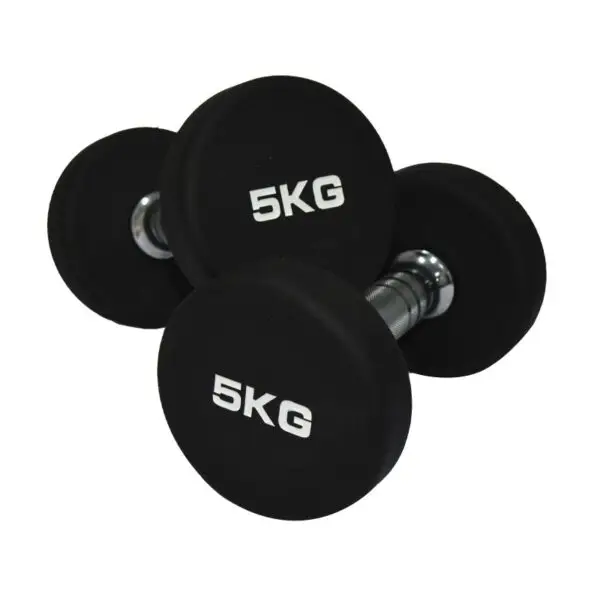
In this guide, I’ll take an in-depth look at the key differences between cast iron dumbbells and rubber dumbbells, the advantages and disadvantages of each, and help you determine the best solution for your gym’s needs.
Ready to upgrade your training equipment setup?
Let’s unravel the mysteries of dumbbell selection!
Understanding Dumbbell Material Characteristics
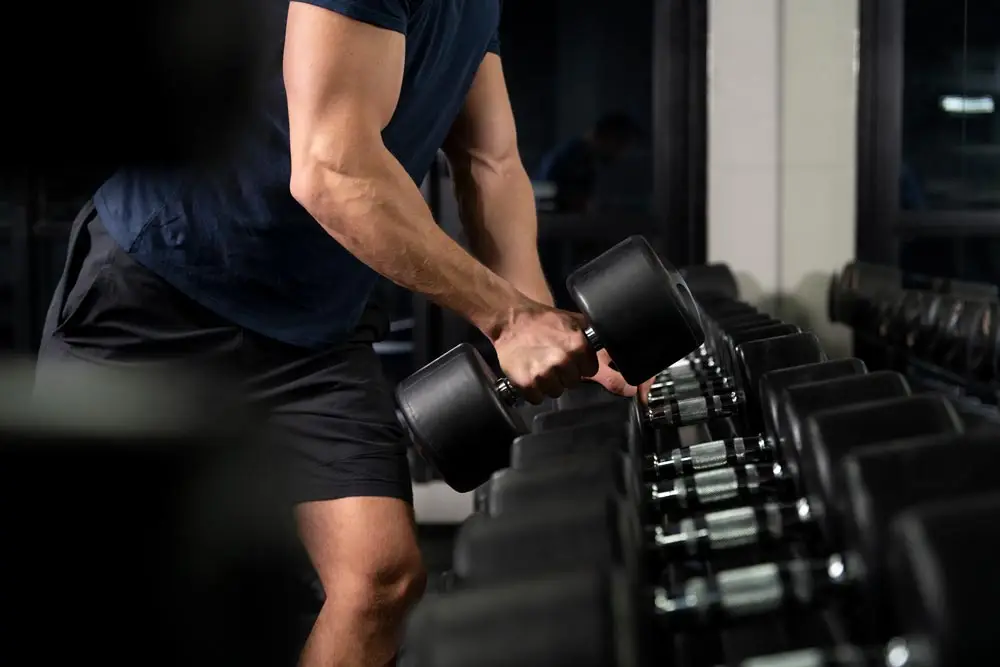
The material properties of dumbbells refer to the differences in texture and performance that you can feel when you use them.
There are two main categories of dumbbells – cast iron dumbbells and rubber dumbbells.
Typically, cast iron dumbbell have a more raw texture and basic protection, while rubber dumbbells have an added layer of protection on the surface.
Why is the choice of material so important?
It directly affects the durability of the dumbbells, their comfort of use and their impact on the surrounding environment.
The right material can help minimize wear and tear and enhance the user’s training experience.
Consider the positioning of your gym and the needs of your members.
Are you a small training room with a focus on cost control and need affordable equipment?
Or are you a high-end health club looking for specialized equipment that is quiet and protects the floor?
Understanding material properties will help you make the best purchasing decisions.
Is that clear?
Then let’s dive into the key differences between cast iron dumbbells and rubber dumbbells!
What Are Cast Iron Dumbbells?
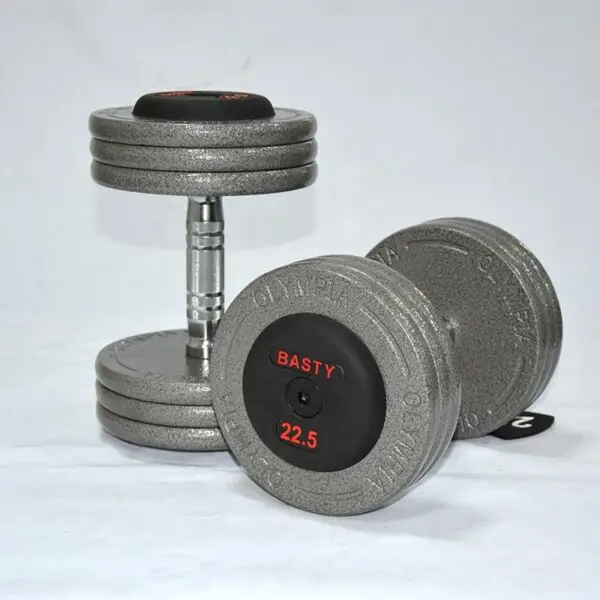
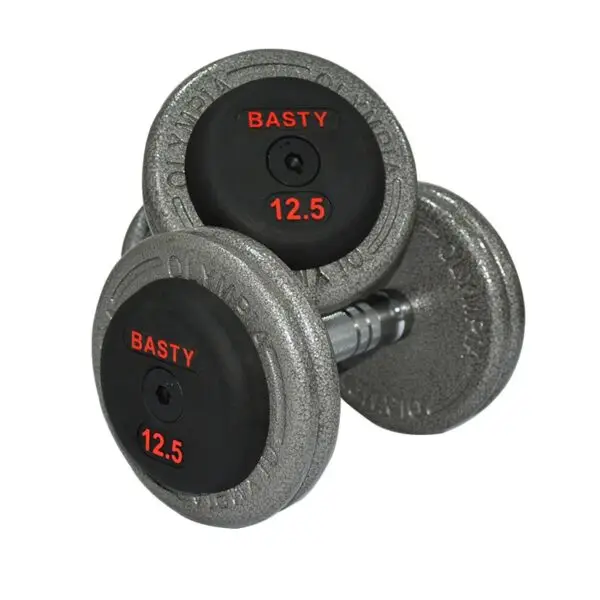
Cast iron dumbbell are designed to provide you with a solid, stable weight feel with a bit of raw texture.
It has a more raw material character and is significantly more straightforward than rubber dumbbells.
The main purpose of cast iron dumbbell is to provide cost-effective basic training equipment.
It is made from cast iron and may only have a simple coating or rust-proof finish to create a rustic appearance.
You may feel the raw touch of metal when using them, but this is mainly to enhance the sheer training experience and durability.
| Vantage | Drawbacks |
|---|---|
| Affordable: cost-effective for training venues with limited budgets | Original texture: the surface may not be smooth enough, may scratch the ground or hands |
| Strong durability: cast iron material is wear-resistant and has a long service life | Noisy: metal clashing sound is noticeable and may affect the environment |
| Even weight distribution: for a stable training experience | Low protection: rust may appear in long-term use, requiring additional maintenance |
| Simple maintenance: simple surface treatment, easy daily maintenance | Single appearance: lack of fashion, may not be suitable for high-end venues |
Wondering if cast iron dumbbell are right for your gym?
If you’re a small to medium sized gym focused on cost control or need affordable training equipment, this may be the perfect choice for you.
What Are Rubber Dumbbells?
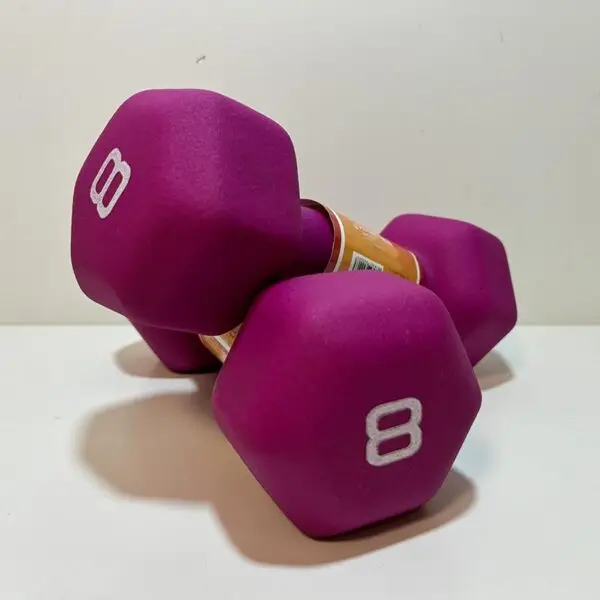
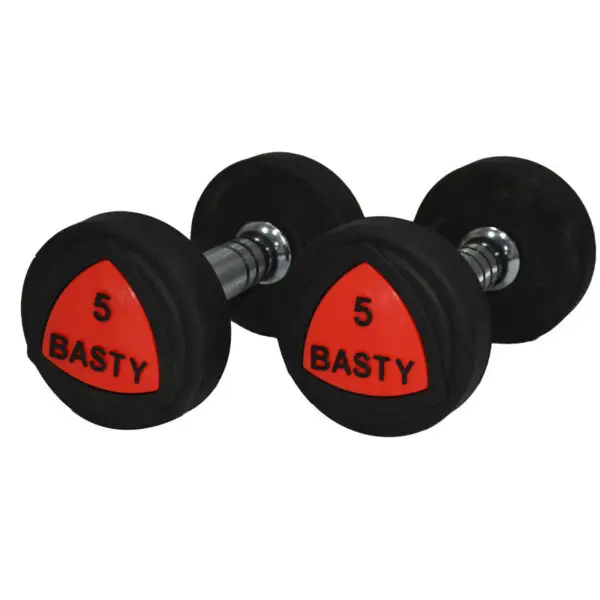
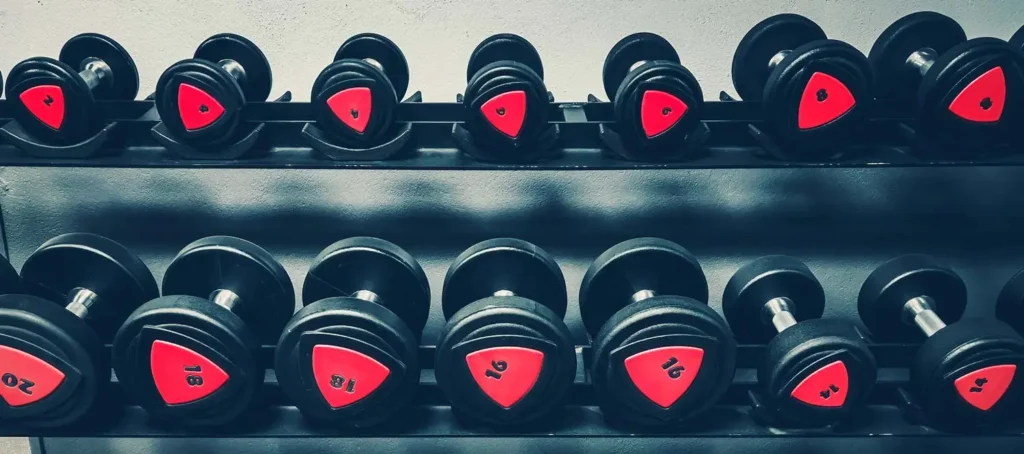
Rubber dumbbells are designed to provide you with a quiet, safe and ground-protecting training experience.
They are made of higher-end materials and are significantly more performance-oriented than cast iron dumbbells.
The main purpose of rubber dumbbells is to provide a professional, quiet and environmentally friendly training experience.
It uses a cast iron or steel core, wrapped in a high-density rubber layer to create a shock-absorbing, noise-reducing surface.
When used, you will feel a soft touch and a quiet experience that is designed to enhance the training environment and protect the facility.
| Vantage | Drawbacks |
|---|---|
| Good noise reduction: rubber wrapping reduces the sound of metal clashing and creates a quiet environment | Higher price: higher cost than cast iron dumbbells, larger initial investment |
| Protects floors: rubber layer prevents scratches on floors and reduces maintenance costs | Weight Limit: Some rubber-coated dumbbells may have a weight limit. |
| Non-slip design: rubberized surface provides a good grip and enhances training safety | Poor heat dissipation: rubberized material may accumulate heat during intensive use. |
| Stylish appearance: multi-color options for high-end venues to enhance the visual effect | High maintenance requirements: rubber layer may wear out due to long-term use |
Wondering if rubber covered dumbbells are right for you?
If you’re a high-end health club, a place that focuses on the training environment, or need to protect your floors and minimize noise, this may be the best choice for you.
Key Differences Between Cast Iron Dumbbells VS Rubber Dumbbells
| Aspect | Cast Iron Dumbbells | Rubber Dumbbells |
|---|---|---|
| Material Characteristics | Raw Texture | High – end Protection |
| Weight Distribution | Uniform Distribution, Basic Stability | Highly Uniform, High – quality Stability |
| Cushioning Effect | Limited Cushioning, Direct Feel | Good Cushioning, Soft Feel |
| Ideal Users | Budget – limited small and medium – sized gyms, cost – effective training venues | High – end fitness clubs, venues focusing on environment and floor protection |
| Noise Level | High – Obvious metal collision sound | Low – Rubber wrapping reduces noise |
| Durability | High – Wear – resistant and long – lasting | Very High – Rubber protects internal material, prolonging service life |
| Price Range | Medium – Lower initial investment, less maintenance cost | Higher – Higher initial investment, low long – term maintenance cost |
Choosing Dumbbells Based on Gym Type
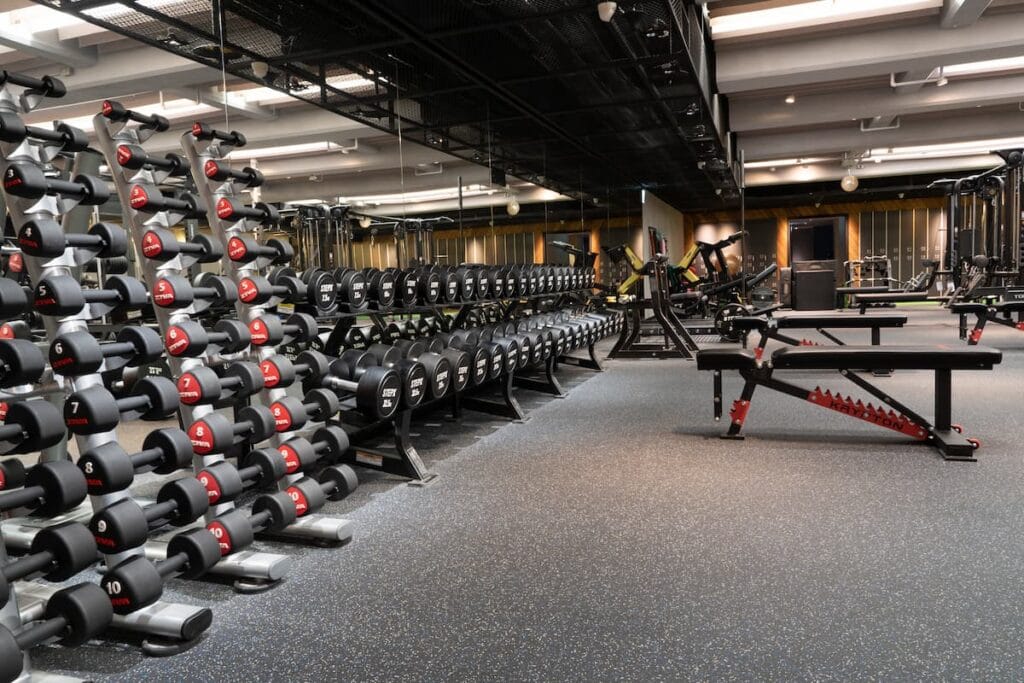
The type of gym you work at plays an important role in whether you choose cast iron dumbbells or rubber dumbbells. Choosing the right dumbbells can help you enhance your member experience and extend the life of your equipment.
Small Training Room
- Cast Iron Dumbbell: best for small training rooms with limited budgets. Affordable and can effectively control the initial investment costs.
- Rubber Dumbbell: may be less economical, higher initial investment.
- Suggestion: choose cast iron dumbbells to reduce the initial cost; if you focus on long-term maintenance costs, please choose rubber dumbbells.
Large Comprehensive Gymnasium
- Cast Iron Dumbbell: can meet the basic strength training needs, suitable for most members daily use.
- Rubber Dumbbell: provide a quieter training environment, reduce ground damage, suitable for environmentally-oriented gyms.
- Suggestion: Choose the right type of dumbbells according to your budget and environmental needs.
High-end Boutique Gym
- Cast Iron Dumbbell: Single, not stylish enough.
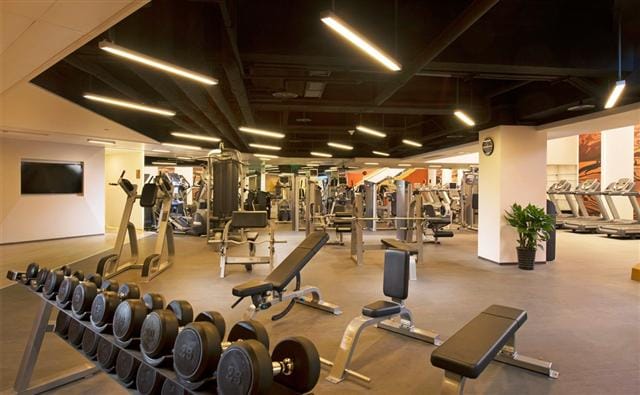
- Rubber Dumbbell: fashionable appearance, colorful, can meet the visual needs of high-end gyms, while enhancing the overall atmosphere.
- Suggestion: choose rubber dumbbells to enhance the grade and visual effect of the gym.
Functional Training Center
- Cast Iron Dumbbell: suitable for basic strength training, but may be less suitable for complex functional movements due to lack of cushioning.
- Rubber Dumbbell: good cushioning performance, suitable for a variety of functional training movements, reducing the impact on the joints.
- Suggestion: Rubber dumbbells are more suitable for functional training centers.
Gyms with a Focus on Group Classes
- Cast Iron Dumbbell: a wide range of weight options to meet the needs of different classes and members.
- Rubber Dumbbell: even weight distribution, comfortable hand feeling, suitable for long time training.
- Suggestion: Choose the right type of dumbbells according to the needs of your program and budget.
Gyms That Focus on Noise Reduction and Floor Protection
- Cast Iron Dumbbell: noisy and easy to scratch the ground.
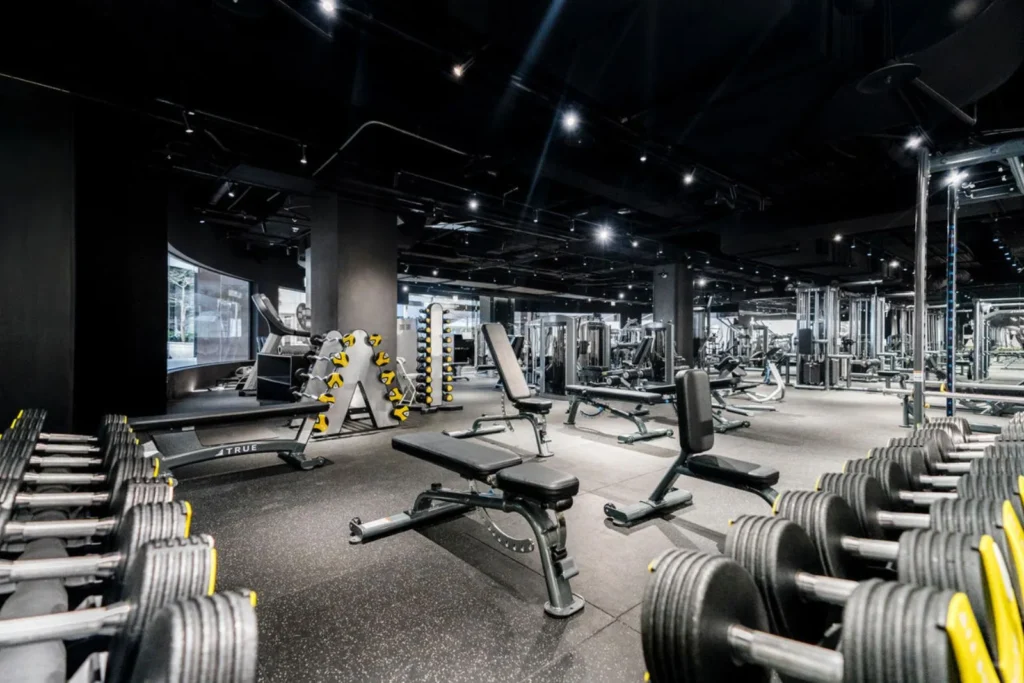
- Rubber Dumbbell: good noise reduction, protects the floor and reduces maintenance costs.
- Suggestion: Choose rubber dumbbells to create a quiet training environment and protect the floor.
Gyms That Focus on the Durability of Their Equipment
- Cast Iron Dumbbell: sturdy material, resistant to wear and tear, long service life.
- Rubber Dumbbell: the outer layer of rubber protects the inner material for a longer service life.
- Suggestion: Both types of dumbbells are durable and can be chosen according to budget and needs.
A Gym That Focuses on the Member Experience
- Cast Iron Dumbbell: Straightforward and suitable for strength training.
- Rubber Dumbbell: Non-slip design and soft touch to enhance the experience.
- Suggestion: Rubber dumbbells for gyms that emphasize the member experience.
Conclusion
Whether you choose cast iron dumbbells or rubber dumbbells depends on your gym budget, membership needs and training environment requirements.
Cast iron dumbbells offer an affordable solution and a solid, durable training experience, while rubber dumbbells offer a more advanced, comfortable feel for venues where noise reduction and floor protection are important.
Still not sure which dumbbells are right for your gym?
Try out two types of dumbbells on a small scale to see member feedback and real-world results.
Prioritize your gym’s positioning and member experience – the right equipment is the foundation of a great training environment!
Let me know if you need to know more!
FAQ
Are cast iron dumbbells a better choice?
For gyms with a limited budget and a focus on strength training, cast iron dumbbells are more cost-effective and stable for basic training needs. However, if noise reduction and floor protection are important, such as in high-end or mixed-use gyms, rubber dumbbells are more suitable.
How to choose dumbbells for a hotel gym?
Most hotel gyms choose cast iron dumbbells or basic rubber dumbbells of medium hardness to balance cost and experience. For hotel-like comfort and practicality, choose medium-hard dumbbells with a protective finish.
Are very heavy dumbbells better for training?
It depends on the training goal. For high-intensity strength training, heavy dumbbells increase power and explosiveness. However, for beginners, aerobic training or for members in rehabilitation, light dumbbells are more suitable, providing the right resistance and reducing the risk of injury.