Welcome to My Blog!
Before we dive into the content, if you’re interested in our products or have any questions, please feel free to visit our Contact Us page on the website. Our team is ready to assist you with inquiries, orders, or any support you may need.
Now, let’s get started on our journey together. I hope you find the content here insightful, engaging, and valuable.
Table of Contents
- Understanding What a Gym Utility Bench Is
- Identifying Your Workout Goals and Space Constraints
- Key Features to Evaluate
- Comparing Bench Types: Flat, Adjustable, Utility
- Material Quality, Build and Durability
- Safety and Ergonomics
- Budgeting and Value for Money
- Setup, Maintenance and Longevity
- Final Checklist Before Purchase
- Conclusion
- FAQ – Common Questions About Gym Utility Benches
Choosing the right gym utility bench can make a big difference in your workout performance, comfort, and safety. Whether you’re setting up a home workshop gym or outfitting a commercial training facility, this guide will help you pick the perfect bench for your needs.
Understanding What a Gym Utility Bench Is
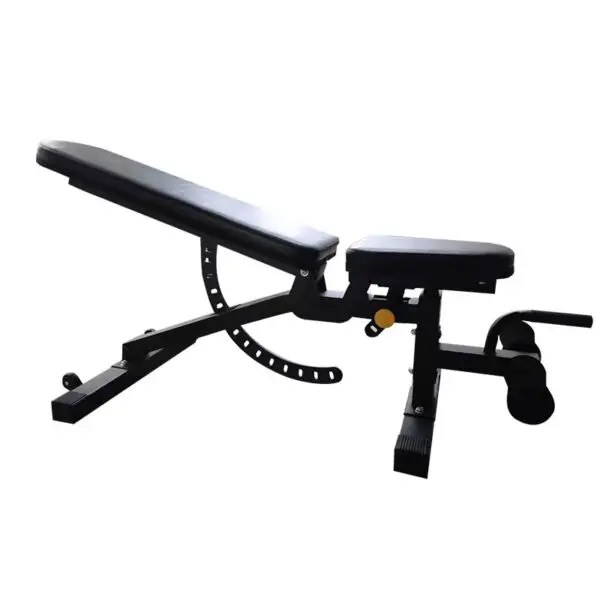
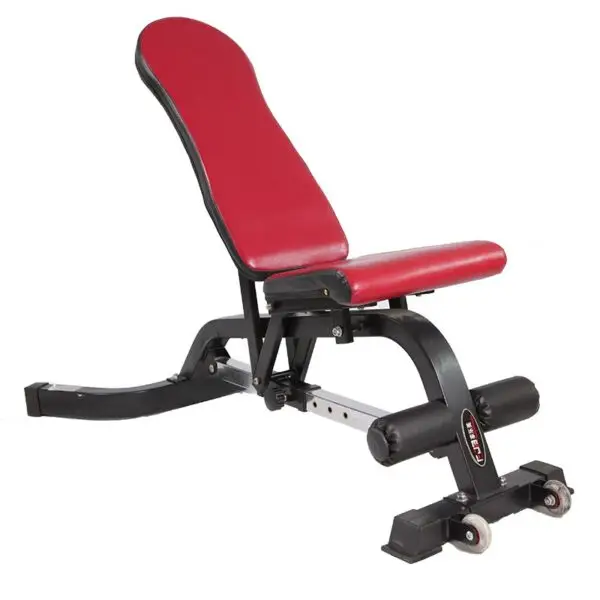
A gym utility bench is a versatile piece of strength equipment used for various exercises such as presses, rows, curls, and core workouts. It combines stability and adaptability, making it suitable for both home and commercial gyms. The utility bench often features adjustable angles, sturdy steel frames, and ergonomic padding for support.
Identifying Your Workout Goals and Space Constraints
Before purchasing, consider how and where you’ll use the bench. For a home workshop gym setup, compact or foldable models save space. For commercial facilities, prioritize heavy-duty benches that withstand frequent use. Measure floor dimensions and ensure adequate clearance around the bench for movement and storage.
Key Features to Evaluate
When evaluating a gym utility bench, focus on these key aspects:
- Weight Capacity and Stability: Choose a bench rated for more than your body weight plus your maximum lift. Stability prevents wobbling during workouts.
- Adjustability: Look for benches with multiple incline or decline positions to target different muscle groups.
- Padding and Comfort: High-density foam and durable upholstery enhance support and longevity.
- Mobility and Storage: Wheels or folding frames are ideal for workshops with limited space.
Comparing Bench Types: Flat, Adjustable, Utility
There are three primary types of benches to consider:
- Flat Bench: Simple, stable, and affordable — ideal for heavy bench presses but limited in versatility.
- Adjustable Bench: Offers incline and decline settings for varied workouts but may have lower load limits.
- Utility Bench: Combines adjustability with compact design, suitable for multipurpose training spaces.
Material Quality, Build and Durability
Check for a solid steel frame, thick welds, and a corrosion-resistant coating. Durable padding and high-quality upholstery ensure long-term use. For commercial use, select a commercial-grade gym utility bench with a verified warranty and safety certification.
Safety and Ergonomics
Safety starts with design. A reliable bench includes non-slip feet, stable base, and locking mechanisms for adjustable positions. Ensure the backrest supports your entire torso and allows a neutral posture. Avoid benches that are too narrow or unstable, as they may increase injury risk.
Budgeting and Value for Money
Basic utility benches range from $200–$400, while professional-grade options can exceed $800. Evaluate value based on materials, adjustability, and brand reputation. Sometimes, investing more upfront ensures better durability and user safety.
Setup, Maintenance and Longevity
Follow manufacturer instructions during setup and check all bolts regularly. Keep the bench clean and inspect welds monthly. Regular maintenance extends its lifespan and prevents premature wear. Replace worn pads or loose components promptly to maintain safety.
Final Checklist Before Purchase
- Does the bench’s weight rating exceed your lifting needs?
- Is the size appropriate for your workshop?
- Are padding and safety features durable and comfortable?
- Does the brand offer a solid warranty and customer support?
- Have you reviewed real user feedback or product demos?
Conclusion
Choosing the best gym utility bench for your workshop requires balancing your goals, space, and budget with build quality, safety, and comfort. By following this guide, you’ll make a confident purchase that supports your training for years to come.
Need Help Choosing the Right Gym Utility Bench? If you’re unsure about which gym utility bench is best for your home gym or workshop, our experts are here to help. Contact us today for a personalized consultation, and ensure your setup is safe, reliable, and tailored to your goals. Don’t wait—get in touch now to upgrade your training experience!
FAQ – Common Questions About Gym Utility Benches
Q1: What should I look for when buying a gym utility bench?
A: Focus on weight capacity, stability, adjustability, and padding quality to ensure performance and safety.
Q2: How much weight capacity should my bench have?
A: Choose a bench that supports at least 20–30% more than your combined body and lifting weight.
Q3: Which is better—adjustable or flat bench?
A: Adjustable benches offer more variety, while flat benches provide greater stability and higher load limits.
Q4: What exercises can I do on a utility bench?
A: Perform presses, flyes, curls, tricep dips, rows, and core movements effectively with proper form.
Q5: How can I maintain my gym utility bench?
A: Clean it regularly, check bolts and welds monthly, and lubricate adjustable parts to prolong lifespan.