Welcome to My Blog!
Before we dive into the content, if you’re interested in our products or have any questions, please feel free to visit our Contact Us page on the website. Our team is ready to assist you with inquiries, orders, or any support you may need.
Now, let’s get started on our journey together. I hope you find the content here insightful, engaging, and valuable.
Table of Contents
Introduction
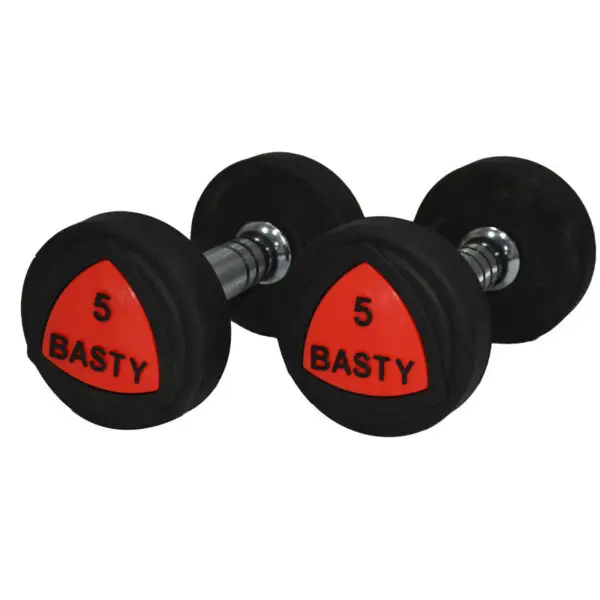
The dumbbell bench press is one of the most effective exercises for building upper body strength, particularly in the chest, shoulders, and triceps. This simple yet powerful movement not only helps in muscle development but also improves overall functional strength. Unlike the barbell bench press, the dumbbell version allows for a greater range of motion, providing better activation of muscles.
What is a Dumbbell Bench Press?
The dumbbell bench press involves lying on a bench while holding a dumbbell in each hand, pressing them upward until your arms are fully extended, and then lowering them back down to chest level. It is a compound movement, meaning it targets multiple muscle groups at once, primarily the pectorals, deltoids, and triceps.
Key Muscles Worked During the Dumbbell Press
- Chest (Pectorals): The primary target muscle, especially the mid and lower parts of the chest.
- Shoulders (Deltoids): Engaged to stabilize the movement and assist in lifting.
- Triceps: Active in extending the elbows as you press the dumbbells upward.
How to Perform the Dumbbell Bench Press Correctly
Step-by-Step Guide to Dumbbell Bench Press Form
- Start Position: Sit on a flat bench and place a dumbbell in each hand. Lie back, keeping your feet flat on the floor.
- Grip: Hold the dumbbells with a neutral grip (palms facing each other) or a traditional grip (palms facing forward). The weights should rest just above your chest, with your elbows bent at about 90 degrees.
- The Press: Push the dumbbells straight up while exhaling, ensuring your elbows are aligned with your wrists. Keep your back pressed against the bench for stability.
- Lower the Weights: Inhale and slowly lower the dumbbells back to chest level, ensuring a controlled movement.
- Repeat: Perform the desired number of reps, typically 3–4 sets of 8–12 reps for beginners, or more for advanced users.
Common Mistakes to Avoid
- Flaring Elbows: Keep elbows at about a 45-degree angle to your torso to avoid shoulder strain.
- Overextending the Wrists: Keep your wrists straight to prevent injuries.
- Bouncing the Dumbbells: Never bounce the weights off your chest; it could lead to injury and reduces the effectiveness of the exercise.
Dumbbell Press for Strength and Muscle Building
Why Dumbbell Press is Essential for Upper Body Strength
The dumbbell press is a great compound movement that helps build strength not only in the chest but also in the shoulders and triceps. It requires more stabilizing muscles than the barbell bench press because each hand must work independently, creating a more balanced, functional strength.
How to Increase Your Dumbbell Press Performance
- Progressive Overload: Gradually increase the weight you’re lifting to challenge your muscles, making them grow stronger over time.
- Proper Rest and Recovery: Adequate rest between sets and workouts is crucial for muscle repair and growth.
- Variation in Rep Ranges: Experiment with different rep ranges. For example, heavier weights with fewer reps (3-5) will increase strength, while moderate weights with more reps (8-12) will focus on muscle hypertrophy (growth).
Dumbbell Press vs Barbell Bench Press: Which is More Effective for Muscle Growth?
Both exercises are excellent for developing chest muscles, but the dumbbell press offers a greater range of motion, which means you can stretch your chest more deeply at the bottom of the lift. This makes it slightly more effective for activating the chest muscles. However, the barbell bench press allows for lifting heavier weights, making it ideal for strength building.
Dumbbell Bench Press for Beginners
How to Start with Dumbbell Bench Press: Tips for Beginners
When you’re just starting with the dumbbell press, it’s crucial to focus on mastering the form before increasing the weight. Begin with light dumbbells to practice the movement. As you gain confidence, gradually increase the weight, ensuring you can maintain control throughout the set.
Common Beginner Mistakes and How to Fix Them
- Using Too Much Weight: Don’t start with weights that are too heavy. You risk compromising your form and potentially injuring yourself. Always start light and gradually build up.
- Arching the Back: Ensure your back remains flat on the bench. Arching can lead to back strain and reduced exercise efficiency.
- Not Engaging Core Muscles: Keep your core engaged to protect your lower back and maintain balance.
Dumbbell Bench Press Workout Routines
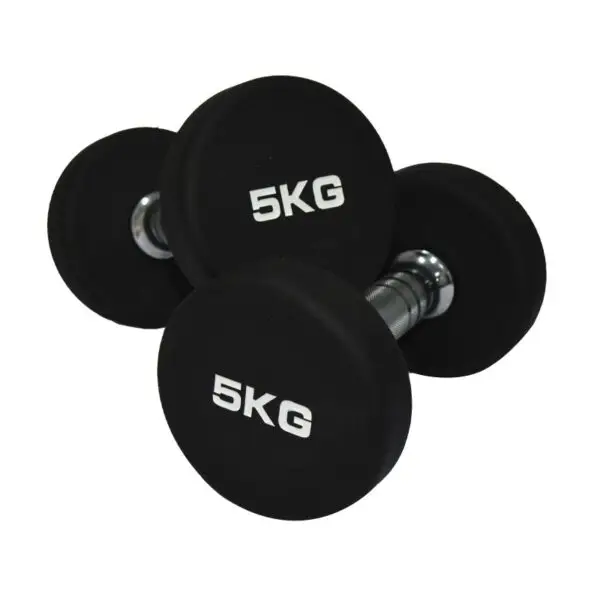
Full Body Workout with Dumbbell Bench Press
The dumbbell bench press can be part of a full-body workout. Pair it with exercises like squats, deadlifts, and lunges to ensure you’re targeting all major muscle groups. This routine ensures a well-rounded fitness program that promotes strength and muscle growth.
Dumbbell Bench Press Routine for Chest Growth
For those focused on building the chest, here’s a sample routine:
- Warm-up (light cardio or dynamic stretching).
- Dumbbell Bench Press: 4 sets of 8–12 reps.
- Incline Dumbbell Flyes: 3 sets of 12 reps.
- Push-ups: 3 sets of 15–20 reps.
- Dumbbell Pullover: 3 sets of 10 reps.
Dumbbell Bench Press for Strength Training
For strength-focused training, decrease the reps to 3–5 per set and increase the weight. This will help in building raw power, particularly in the chest, shoulders, and triceps.
Advanced Dumbbell Bench Press Tips
Advanced Techniques for Increasing Weight and Strength
For more experienced lifters, it’s important to incorporate techniques like paused reps, slow eccentrics (lowering the dumbbells slowly), or alternating dumbbell presses to target different areas of the chest and shoulders.
Using Dumbbell Bench Press to Target Specific Muscle Groups
By adjusting the angle of the bench (flat, incline, or decline), you can target different parts of the chest. An incline bench press emphasizes the upper chest, while the decline variation targets the lower chest.
Combining Dumbbell Bench Press with Other Chest Exercises
To achieve optimal muscle development, include other exercises like cable flyes, chest dips, or even machine chest presses. These exercises complement the dumbbell bench press and provide varied stimulation to the muscles.
Dumbbell Bench Press Equipment and Setup
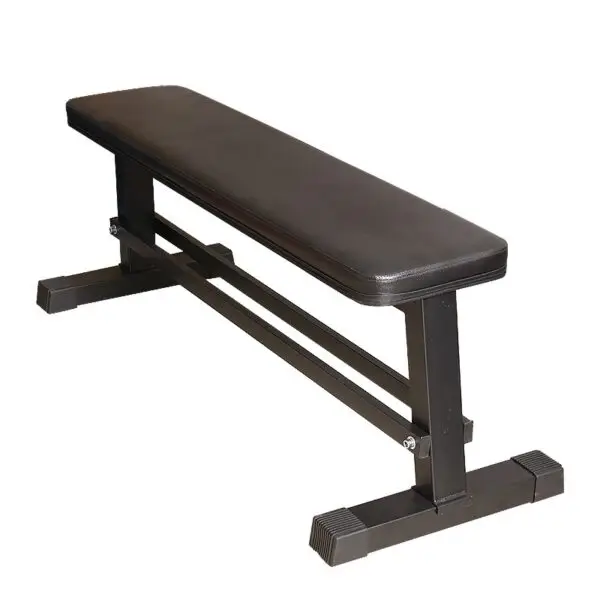
Best Dumbbell Bench Press Equipment for Home Gyms
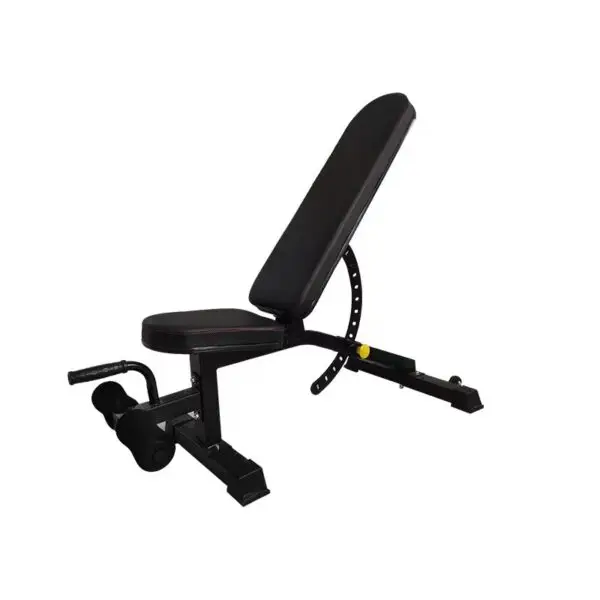
For home gym setups, an adjustable bench and a set of quality dumbbells are essential. You can find adjustable benches with multiple incline and decline positions, which offer versatility for different variations of the dumbbell bench press.
How to Choose Between Adjustable and Fixed Dumbbell Benches
- Adjustable Benches: Allow for more variety in exercises, including incline and decline presses.
- Fixed Benches: More stable and usually better for heavy lifting.
Conclusion
The dumbbell bench press is an essential exercise in any fitness program, offering numerous benefits for muscle building and strength development. Whether you’re a beginner or an experienced lifter, incorporating this movement into your routine will help you achieve your fitness goals. Focus on form, use progressive overload, and don’t forget to pair it with a balanced workout routine to maximize your results.
FAQ
How Many Sets and Reps Should I Do for Dumbbell Bench Press?
For muscle growth, aim for 3–4 sets of 8–12 reps. If your goal is strength, try 3–5 sets of 3–5 reps with heavier weights.
Why Does My Shoulder Hurt When Doing Dumbbell Bench Press?
Shoulder pain is often caused by improper form, such as flaring the elbows too much. Ensure you maintain a controlled, steady motion and avoid overloading the weights.
Can I Perform Dumbbell Bench Press Every Day?
It’s not recommended to do dumbbell bench presses every day, as your muscles need time to recover. Aim for 2-3 times per week, allowing adequate rest between sessions.
How Quickly Will I See Results from Dumbbell Bench Press?
With consistent training and progressive overload, visible results can be seen within 4–6 weeks. Strength improvements may take a bit longer.
Dumbbell Bench Press vs Chest Press Machine: What’s the Difference?
The chest press machine provides more stability and can isolate the chest muscles more efficiently, whereas the dumbbell bench press engages stabilizer muscles and offers a greater range of motion.
Ready to Boost Your Bench Press Strength? Start Your Journey Today!
Take the first step towards mastering the dumbbell bench press and building a stronger upper body. Check out our recommended equipment or explore more workout guides to optimize your fitness journey!