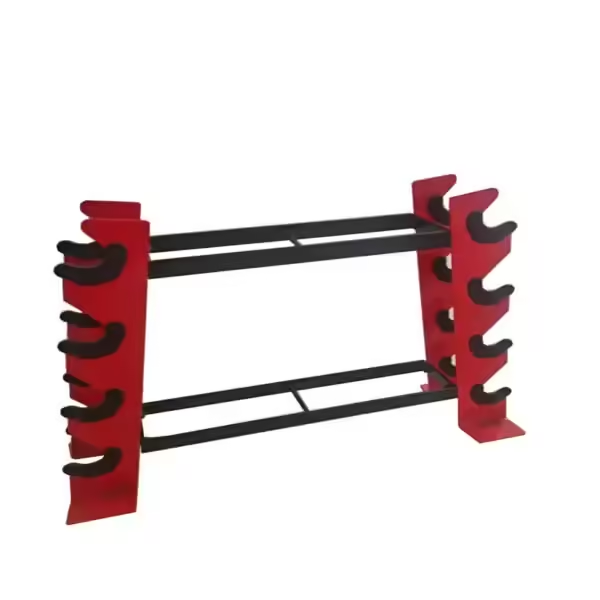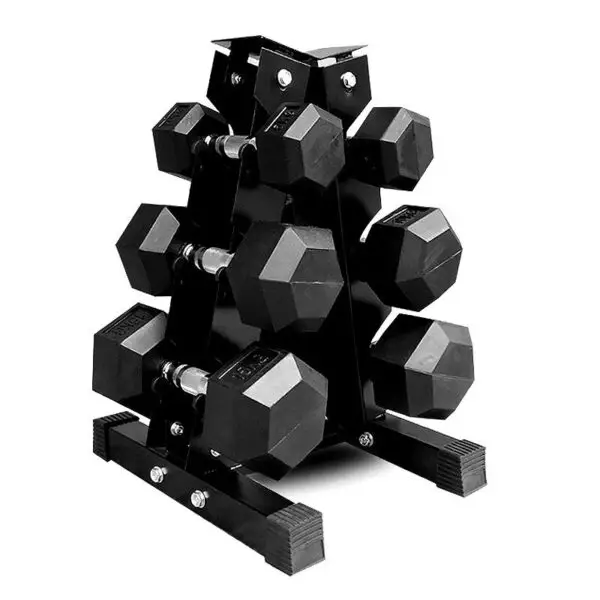
Welcome to My Blog!
Before we dive into the content, if you’re interested in our products or have any questions, please feel free to visit our Contact Us page on the website. Our team is ready to assist you with inquiries, orders, or any support you may need.
Now, let’s get started on our journey together. I hope you find the content here insightful, engaging, and valuable.
Table of Contents
Introduction
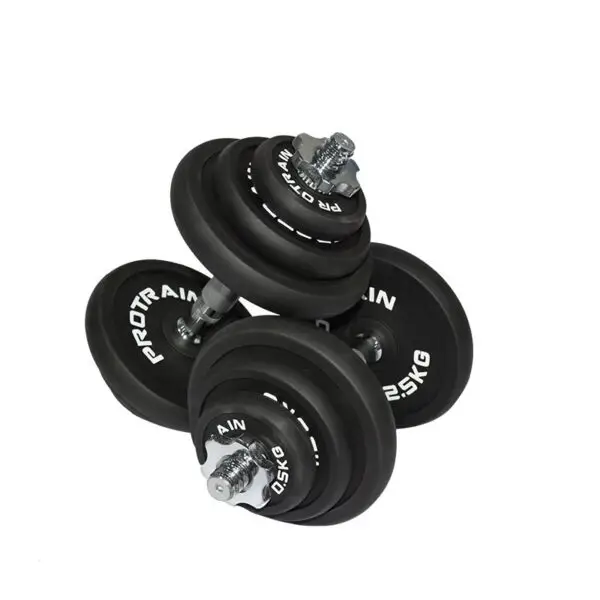
When it comes to building a gym, choosing the right equipment is key. One of the most essential pieces for any gym is the dumbbell set. Whether it’s for a home gym, a commercial gym, or a small studio, dumbbells are versatile and form the foundation of many strength training routines. They offer a range of exercises, from simple toning moves to more intense lifts for building strength.
But with so many options available, how do you know which dumbbell sets are right for your gym? In this guide, we’ll walk through what to consider when selecting dumbbells, from weight ranges to storage solutions, ensuring that your gym is well-equipped for any workout challenge.
The Different Types of Dumbbell Sets: Fixed vs. Adjustable
One of the first decisions you’ll face is whether to choose fixed or adjustable dumbbell sets. Both options come with their own benefits and drawbacks, and the right choice depends on your gym’s needs.
Fixed Dumbbell Sets
- Overview: These dumbbells come with a fixed weight and are often made from materials like steel, cast iron, or rubber.
- Pros: Fixed dumbbells are quick and easy to use, require no adjustments, and are highly durable. They work well in commercial gyms or spaces where people need easy access to equipment.
- Cons: Fixed sets take up more space since each weight is a separate unit. Over time, the cost can add up if you need a full range of weights.
Adjustable Dumbbell Sets
- Overview: Adjustable dumbbells let you change the weight by adding or removing plates or using a dial to adjust the load.
- Pros: These sets are perfect for home gyms or smaller spaces. They save space and are more cost-effective, as one set can replace many fixed dumbbells.
- Cons: Adjusting the weight can take a little more time, and depending on the mechanism, wear and tear might happen over time.
Comparison: Fixed vs. Adjustable Dumbbells
| Feature | Fixed Dumbbells | Adjustable Dumbbells |
|---|---|---|
| Space Requirement | Requires more space | Compact and space-saving |
| Weight Adjustment | Not adjustable | Adjustable with weight plates |
| Durability | High, long-lasting | Moderate (depends on design) |
| Cost | Higher cost for multiple sets | Generally more affordable |
| Ease of Use | Quick and simple | Requires adjustment for each use |
Material Considerations: Steel, Rubber, or Neoprene?
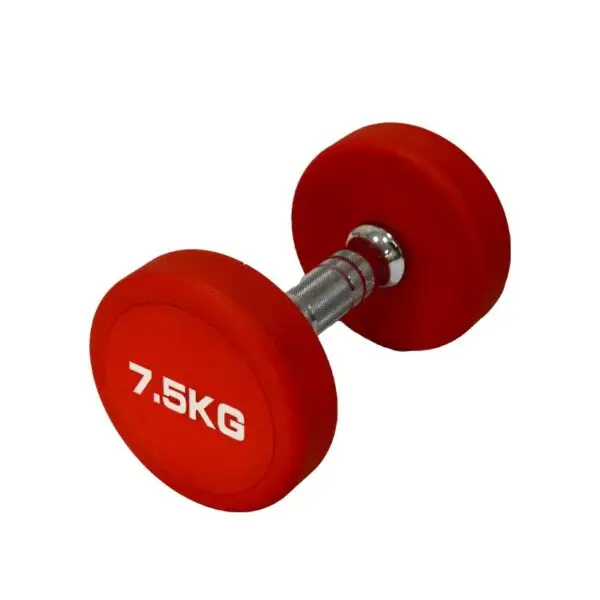
The material of your dumbbells significantly impacts their performance, feel, and lifespan. Let’s break down the most common materials you’ll encounter.
Steel Dumbbells
- Benefits: Steel dumbbells are highly durable, sleek, and professional. They’re excellent for serious strength training, offering a solid, stable grip.
- Drawbacks: While steel is tough, it can be noisy and damaging to floors if dropped, so they’re best suited for spaces where damage won’t be an issue.
Rubber-Coated Dumbbells
- Benefits: The rubber coating makes these dumbbells quieter during use and protects floors from damage. They also provide a more comfortable grip, especially for high-intensity workouts.
- Drawbacks: Rubber-coated dumbbells tend to be pricier, but their durability and noise-reduction make them worth it, particularly for commercial gyms.
Neoprene Dumbbells
- Benefits: Neoprene dumbbells are softer, come in colorful designs, and are often used for light weights or beginner exercises. They’re also less likely to slip out of your hands during exercise.
- Drawbacks: They aren’t suitable for heavy lifting and can wear out faster than steel or rubber-coated options.
Choosing the Right Weight Range for Dumbbell Sets
Selecting the appropriate weight range is crucial for accommodating different fitness levels in your gym.
Beginners
- Recommended Range: 5-20 lbs (2-9 kg)
- Reason: Beginners typically use lighter weights for exercises focused on endurance, toning, and rehabilitation. Light dumbbells are often used in circuit training and cardio-based strength training.
Intermediate Lifters
- Recommended Range: 25-50 lbs (11-22 kg)
- Reason: Those with more experience in strength training will need heavier weights to build muscle. Dumbbells in this range are used for exercises like the bench press, shoulder press, and rows.
Advanced Lifters
- Recommended Range: 55-100 lbs (25-45 kg)
- Reason: Advanced lifters require heavier dumbbells for compound lifts like deadlifts, squats, and overhead presses. Heavier sets help in targeting muscle growth and strength.
Space-Saving Solutions: Dumbbell Storage
Storage is often an afterthought, but it plays a key role in the efficiency of your gym space. Proper dumbbell storage is essential for keeping the equipment organized and safe.
Types of Dumbbell Storage:
- Vertical Racks: Perfect for home gyms and small spaces, vertical racks store fixed dumbbells upright, saving floor space.
- Horizontal Racks: These are ideal for larger gyms and make accessing heavier dumbbells easier, but they require more space.
- Wall-Mounted Storage: Wall-mounted racks can be used in smaller gyms or home setups where space is at a premium.
How to Maintain Dumbbell Sets
Proper maintenance will extend the life of your dumbbell sets and ensure a safe workout environment.
Steel Dumbbells:
- Maintenance: Clean with a cloth regularly. For added protection, consider wiping down with a rust-resistant spray.
Rubber-Coated Dumbbells:
- Maintenance: Avoid using abrasive cleaners. Wipe down with a non-abrasive solution and dry them thoroughly.
Neoprene Dumbbells:
- Maintenance: Clean using a damp cloth and store them in a dry place to avoid wear and deterioration.
How to Choose Dumbbell Sets for Specific Gym Needs
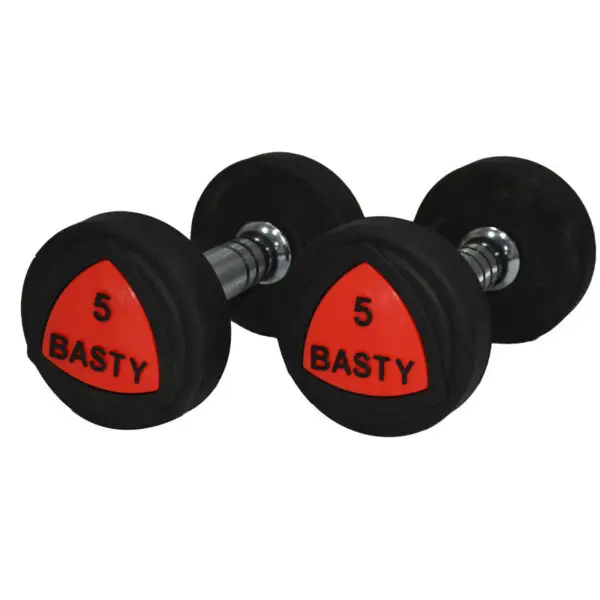
Each gym has different training focuses. Here’s how to choose dumbbells based on your needs:
- Strength Training: Go for heavier fixed dumbbells for durability and ease of use during intense lifting sessions.
- Functional Fitness: Adjustable dumbbells are ideal here as they provide versatility for different workout routines.
- CrossFit: Rubber-coated dumbbells are perfect for high-intensity workouts and can withstand high-impact exercises like burpees and squats.
Conclusion
Choosing the right dumbbell sets is an important decision for any gym, whether it’s a home gym, a commercial gym, or a fitness studio. By considering factors like weight range, material, and storage, you can select dumbbells that suit your gym’s needs and budget. Remember, proper maintenance and smart storage solutions will ensure that your dumbbells last and continue to serve gym-goers effectively.
The right dumbbell sets can make all the difference in offering a variety of exercises that target different muscle groups. A well-thought-out choice will enhance your gym’s performance and help users achieve their fitness goals.
FAQ
How many dumbbell sets should I have in my gym?
The number of dumbbells needed depends on the size of your gym. A good range is 5-100 lbs with multiple sets in the mid-range for general use.
Are adjustable dumbbells durable?
Adjustable dumbbells are generally durable, but their longevity depends on the quality of the adjustment mechanism. Make sure you invest in a reliable brand.
Can rubber-coated dumbbells be used for heavy lifting?
Yes, rubber-coated dumbbells are durable enough for heavy lifting, but ensure they have a solid core and thick rubber coating for maximum performance.